

Carbide vs Steel: Which Is Better for Wear Resistance?
Carbide generally offers superior wear resistance compared to steel. The optimal choice between carbide and steel for wear resistance depends on specific application demands. Steel remains a vital material due to its toughness, cost-effectiveness, and versatility in various wear resistance scenarios. Engineers consider the unique properties of each material to select the best solution for their needs.
Key Takeaways
- Carbide is much harder than steel. It resists wear from rubbing and scratching very well.
- Steel is tougher than carbide. It can handle strong hits and bending without breaking easily.
- Carbide works best in very hot places and for cutting hard materials. It keeps its strength when hot.
- Steel is better for parts that get hit hard, like tools and Machine Parts. It is also cheaper andeasier to shape.
- Carbide costs more to buy and is harder to make into shapes. Steel is less expensive and easier to work with.
- Sometimes, using both carbide and steel together is best. You can put a hard carbide layer on top of tough steel.
- Choose carbide for extreme wear and heat. Choose steel for toughness, lower cost, and parts that get hit often.
Understanding Carbide for Enhanced Wear Resistance
What is Carbide?
Cemented Carbide Definition
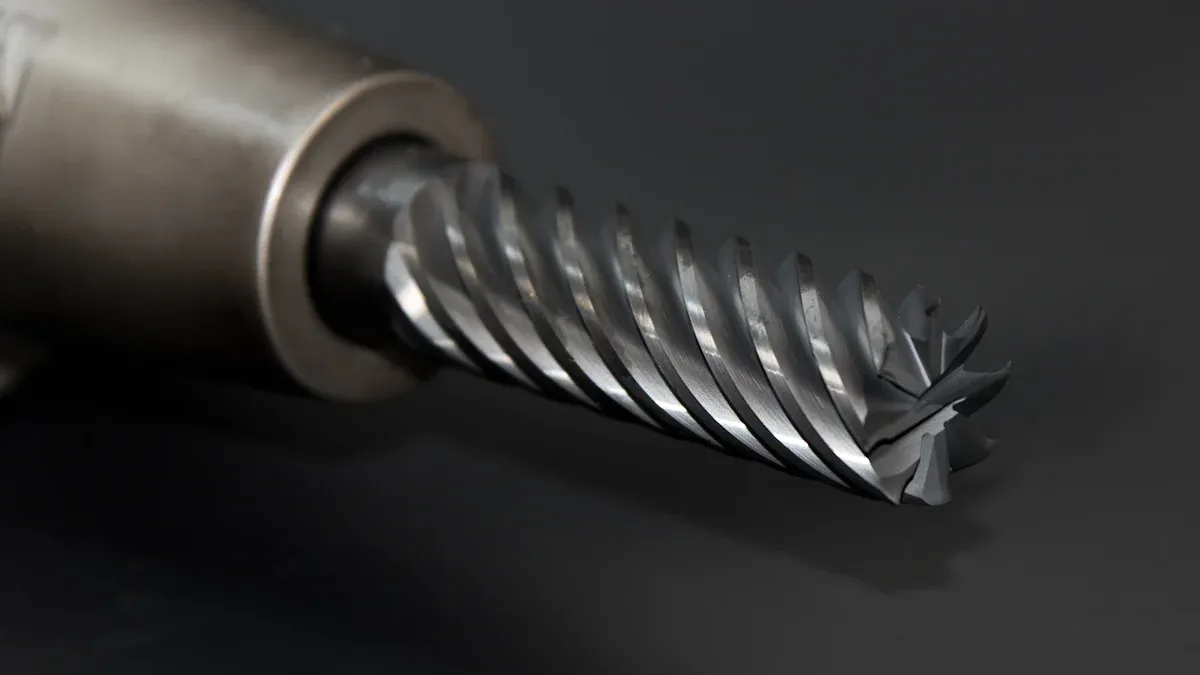
Cemented carbide refers to a composite material. It consists of hard carbide particles bonded together by a metallic binder. Manufacturers produce it through a process called Powder Metallurgy. This process involves compacting andsintering fine powders.
Tungsten Carbide as a Primary Example
Tungsten carbide (WC) stands as the most common and widely recognized type of cemented carbide. Its exceptional properties make it suitable for many industrial applications. The primary chemical compositions of common cemented carbides include carbide aggregates and binder metals.
- Carbide aggregates: These include tungsten carbide (WC), titanium carbide (TiC), or tantalum carbide (TaC).
- Binder metals: Cobalt, nickel, or iron serve as binder metals.
The composition of cemented carbides varies to suit specific needs. For example, tungsten carbide-based cemented carbides primarily contain tungsten carbide (WC), titanium carbide (TiC), tantalum carbide (TaC), and niobium carbide (NbC). Cobalt (Co) acts as the common metal bonding phase. Carbon (nitride) titanium-based cemented carbides have titanium carbide (TiC) as their main component, sometimes with other carbides or nitrides. Molybdenum (Mo) and nickel (Ni) are the commonly used metal bonding phases in these types.
| Component | Role/Description |
|---|---|
| WC (Tungsten Carbide) | The main component of the tool material is, wear-resistant phase. |
| Co (Cobalt) | Ductile phase: increases strength and toughness, decreases hardness with higher content. |
| TiC (Titanium Carbide) | Hard phase: increases anti-crater wear, but decreases strength and toughness, and increases brittleness. |
| TaC, NbC (Tantalum Carbide, Niobium Carbide) | Hard phases significantly improve high-temperature performance and wear resistance, offering good versatility. |
| Cr3C2, VC (Chromium Carbide, Vanadium Carbide) | Inhibitors preventing WC grain growth. |
| Other secondary components | Sn, Ni, Mo. |
Generally, WC (including TiC) accounts for over 80% of the composition, Co less than 20%, with other components in very small proportions.
Key Properties of Carbide for Wear Resistance
Extreme Hardness and Abrasion Resistance
Carbide materials possess extreme hardness. This property makes them highly resistant to abrasive wear. Their microscopic structure resists scratching, cutting, and erosion from hard particles.
High Compressive Strength
Carbide exhibits very high compressive strength. This means it can withstand significant forces pushing down on it without deforming or fracturing. Different carbide grades offer varying compressive strengths, tailored for specific applications.
| Grade | Cobalt Binder (%) | Application (Implied Strength) |
|---|---|---|
| VM-3 | 3.00 | Extremely Hard for Severe Wear. Compacting Dies, Wear Applications, EDM Wire Guides, Sand Blasting Nozzles, Fine Wire Dies. |
| VM-6 | 6.00 | Excellent Wear, Light Impact. Seal Rings, Compacting Powder Metal, Blades, Wear Rolls, Valve Components. |
| VM-6T | 6.00 | High Hardness for Wear Applications. Light Impact. Oil Field Tooling |
| VM-9 | 9.00 | High Wear, Light Impact. Tab Tooling, Draw Dies, Stamping Dies, Compacting Dies, Can Forming Dies, Shearing Knives. |
| VM-12 | 12.00 | Good Wear, Medium Impact. Stamping Dies, Lamination Dies, Extrusion Dies, Compacting Dies, Can Tooling, Draw Dies, Draw Mandrels. |
| VM-13 | 13.00 | Good Wear, Medium Impact. Stamping Punches & Dies, Lamination Dies, Extrusion Dies, Compacting Dies, Draw Dies, Draw Mandrels. |
| VM-15 | 15.00 | Good Wear. Lamination Dies, Scroll Dies, Stamping Dies & Punches, Cut Edge Rings, Form Rolls, Crush Rolls. |
| VM-17 | 17.00 | Medium Wear, Medium to Heavy Impact. Punching Thick Materials, Pulverizing Hammers, Heavy Punch Operations, Heavy Coining, Form Rolls. |
| VM-20 | 20.00 | Heavy Impact. Heavy Coining and Blanking Operations, Crushing Hammers, Cold Heading and Forming. |
| VM-23 | 23.00 | High Impact. Cold Heading and Forming, Nail Dies. |
Excellent Wear Resistance Mechanisms
Carbide resists various wear mechanisms effectively. These include abrasion, erosion, and adhesion. Its inherent hardness and chemical stability contribute to this superior performance.
High Heat Resistance
Carbide maintains its hardness and strength at elevated temperatures. This property makes it ideal for high-speed cutting operations and other applications involving significant heat generation.
Limitations of Carbide in Wear Applications
Brittleness and Low Toughness
Despite its hardness, carbide is inherently brittle. It possesses low toughness, meaning it can fracture under sudden impact or shock loads. For cemented carbide, typical fracture toughness (KIC) values generally fall within the range of 6 to 15 MPa·√m. These values can vary based on factors such as the material's grain size, the content of the binder material (like cobalt), and the overall microstructure.
High Cost of Raw Materials
Carbide materials are significantly more expensive than steel. As of early 2025, tungsten carbide powder is priced between USD 38.18 and 38.67 per kilogram. In contrast, steel prices are generally lower and more volatile. The ferrous scrap market, which influences steel production costs, saw prime scrap grades reach $475 per gross ton in March 2025. This indicates that common carbide materials like tungsten carbide are significantly more expensive per kilogram than steel.
Difficult Machinability
The extreme hardness of carbide makes it very difficult to machine using conventional methods. This often requires specialized techniques like grinding with diamond tools or electrical discharge machining (EDM), which adds to manufacturing costs and complexity.
Understanding Steel for Diverse Wear Resistance Needs
What is Steel?
Iron-Carbon Alloy Basis
Steel is primarily an alloy of iron and carbon. Carbon content typically ranges from 0.002% to 2.1% by weight. This fundamental composition gives steel its basic mechanical properties. Manufacturers can significantly alter these properties by adding other elements.
Alloying Elements and Their Impact on Wear Resistance
Engineers introduce various alloying elements to steel to enhance its performance, especially its wear resistance. These additions create specific microstructures and form hard carbides.
| Element | Percentage | Primary function |
|---|---|---|
| Chromium | 0.5–2 | Increases hardenability |
| Molybdenum | 0.2–5 | Forms stable carbides; inhibits grain growth; increases toughness |
| Vanadium | 0.15 | Forms stable carbides; increases strength while retaining ductility; promotes fine grain structure; increases toughness at high temperatures |
Specific elements contribute unique benefits:
- Carbon (C): Increases tensile strength, hardness, and resistance to wear and abrasion.
- Chromium (CR): Enhances tensile strength, hardness, hardenability, toughness, and resistance to wear and abrasion.
- Molybdenum (MO): Improves strength, hardness, hardenability, toughness, and red-hardness properties in hot-work and high-speed steels.
- Vanadium (V): Increases strength, hardness, wear resistance, and resistance to shock impact, also enhancing red-hardness properties.
Key Properties of Steel for Wear Resistance
High Toughness and Ductility
Steel offers excellent toughness and ductility. Toughness means it can absorb energy and deform plastically before fracturing. Ductility allows it to be drawn into wires or hammered into thin sheets without breaking. This combination makes steel resilient under impact.
| Steel Type | Charpy V-notch Toughness (J) | Strength (GPa) |
|---|---|---|
| High strength ferrite/martensite laminated | 300–450 | 0.8–1.2 |
| Pipeline steels | <300 | Similar |
| High strength low alloy (HSAL) steels | <300 | Similar |
| Conventional homogenous low alloy steels | <150 | >1.2 |
Versatile Hardness Range
Steel's hardness is highly versatile. Heat treatments like quenching and tempering can significantly alter its hardness. This allows engineers to tailor steel for specific applications, balancing hardness with other properties like toughness.
Good Strength-to-Weight Ratio
Steel provides a good strength-to-weight ratio. This makes it suitable for structural applications where both strength and weight are important considerations. It offers robust performance without excessive mass.
Cost-Effectiveness
Steel is generally more cost-effective than carbide. As of mid-2025, Hardox® 400, a common wear-resistant steel grade, costs approximately $0.60–$2.00 per kilogram for widely traded plate sizes. This price varies based on thickness, finish, origin, and quantity.
| Year | Indicative per-kg range (US$ / kg) |
|---|---|
| 2021 | $0.85 – $1.60 / kg |
| 2022 | $0.95 – $1.90 / kg |
| 2023 | $0.70 – $1.30 / kg |
| 2024 | $0.65 – $1.50 / kg |
| 2025 (mid) | $0.60 – $2.00 / kg |
Limitations of Steel in Wear Applications
Lower Wear Resistance Compared to Carbide
Steel generally exhibits lower wear resistance than carbide. Its inherent hardness is less than that of carbide materials. This makes it more susceptible to abrasive wear in extremely harsh conditions.
Susceptibility to Corrosion
Many steel grades are susceptible to corrosion. Exposure to moisture, chemicals, or saltwater can lead to rust and material degradation. This limits its use in certain environments unless protective coatings are applied.
Reduced Performance at High Temperatures
Steel's performance can decrease at elevated temperatures. It tends to soften and lose its strength and hardness when exposed to high heat. This makes it less ideal for applications involving continuous high-temperature operation.
Direct Comparison: Carbide vs Steel for Optimal Wear Resistance
Hardness and Abrasion Resistance
Carbide's Superior Hardness
Carbide materials consistently demonstrate exceptional hardness, a critical factor for resisting abrasive forces. Cemented carbide, for instance, often achieves hardness values exceeding HRC65, frequently reaching above 90 HRA. This makes it significantly harder than conventional tool steels. The table below illustrates this difference:
| Material Type | Hardness (HRA) |
|---|---|
| Cemented Carbide (Fine-grain WC-Co) | 92-93 |
| Cemented Carbide (Medium-grain WC-Co) | 89-91 |
| High-speed steel | 80-86 |
This inherent hardness allows carbide to withstand scratching, cutting, and erosion from hard particles in demanding environments.
Steel's Variable Hardness
Steel offers a versatile hardness range, which engineers can tailor through alloying and heat treatments. However, even highly hardened steels generally do not match the extreme hardness of carbide. This difference directly impacts their performance in abrasive scenarios. For example, in abrasive wear tests, carbide formulations consistently show significantly lower volume loss compared to hardened tool steels like D2 steel.
The following data from abrasive wear tests clearly illustrates this disparity:
| Material Type | Formulation | Volume Loss (mm³) |
|---|---|---|
| Carbide Formulations | ||
| C9000 | Nano Tungsten Carbide, Cobalt | 4.5 |
| C1000 | Tungsten Carbide, Cobalt | 5.5 |
| C1000Ni | Tungsten Carbide, Cobalt, Nickel Matrix | 5.2 |
| C1000Cr | Tungsten Carbide, Cobalt, Chrome | 6.6 |
| C1000-17 | Tungsten Carbide, Cobalt Matrix | 7.0 |
| C5000 (CPR) | Carbides within a Nickel-Chrome Matrix | 7.7 |
| C1000SF | Tungsten Carbide, Nickel Chrome Boron | 10.3 |
| C6000 | Carbon, Chromium, Tungsten, Nickel | 13.2 |
| Carboride 35Wc | 35% Tungsten Carbide + Nickel Chrome Boron | 15.3 |
| Hardened Steel | ||
| D2 Steel (1.2379) | Chrome Carbide Tool Steel | 36.1 |
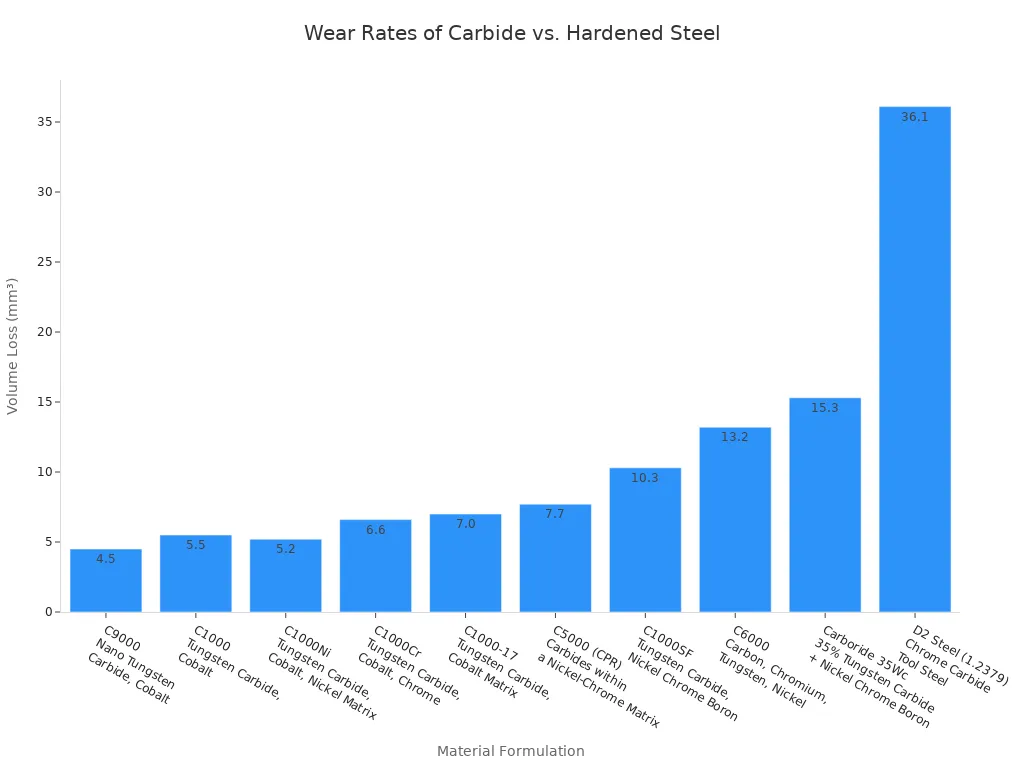
This chart visually confirms that even the least wear-resistant carbide formulation in this test outperformed D2 steel by a significant margin in terms of volume loss.
Impact and Toughness
Steel's High Toughness Advantage
Steel excels in applications requiring high toughness and resistance to impact. Its inherent ductility allows it to absorb significant energy and deform plastically before fracturing. This property makes steel an ideal choice for components subjected to sudden shocks, heavy blows, or dynamic loading, where material integrity under impact is paramount.
Carbide's Brittleness Under Impact
Conversely, carbide materials exhibit inherent brittleness. While extremely hard, they possess low toughness. This means carbide can fracture or chip under sudden impact or shock loads. Engineers must carefully consider this limitation when designing components for applications involving dynamic forces or potential for sudden impacts.
High-Temperature Performance
Carbide's Thermal Stability
Carbide materials maintain their exceptional hardness and strength even at elevated temperatures. Their high thermal stability makes them suitable for applications involving significant heat generation, such as high-speed cutting operations or components operating in hot environments. This property ensures consistent performance and extended lifespan under thermal stress.
Steel's Softening at Elevated Temperatures
Steel's performance degrades at elevated temperatures. It tends to soften, losing its hardness and strength when exposed to continuous high heat. This characteristic limits its effectiveness in high-temperature applications, as it becomes more susceptible to wear and deformation. Engineers often select specialized high-temperature alloys or implement cooling systems when using steel in such conditions.
Corrosion Resistance and Wear
Carbide's Chemical Inertness
Carbide materials generally exhibit excellent chemical inertness. Their stable atomic structure and strong covalent bonds make them highly resistant to chemical attack. This property means carbide does not readily react with many corrosive agents, including acids, bases, and saltwater. For example, tungsten carbide, a primary carbide, shows remarkable stability in various aggressive chemical environments. This inherent resistance to corrosion contributes significantly to its overall durability and performance in challenging conditions.
Steel's Corrosion Vulnerability
Steel, in contrast, often shows susceptibility to corrosion. Iron, steel's primary component, reacts with oxygen and moisture, forming iron oxides, commonly known as rust. This electrochemical process degrades the material over time. While alloying elements like chromium can create stainless steel, which offers improved corrosion resistance, even these grades are not entirely immune. Specific environments, such as those with high chloride concentrations or extreme pH levels, can still cause pitting, crevice corrosion, or stress corrosion cracking in steel. Therefore, engineers must often apply protective coatings or select specialized alloys when using steel in corrosive applications.
Cost and Machinability for Wear Parts
Carbide's Higher Initial Cost
Carbide materials typically come with a significantly higher initial cost compared to steel. Several factors contribute to this expense. The raw materials, particularly tungsten and cobalt, are rare and expensive. The manufacturing process, powder metallurgy, involves specialized equipment and energy-intensive sintering at high temperatures. Furthermore, carbide's extreme hardness necessitates specialized machining techniques, such as diamond grinding or electrical discharge machining (EDM), which add to the overall production cost. These factors make carbide a premium material for wear parts.
Steel's Lower Cost and Ease of Fabrication
Steel offers a distinct advantage in terms of cost and ease of fabrication. Iron ore, the primary raw material for steel, is abundant and relatively inexpensive. Steel production processes are well-established and highly efficient, allowing for mass production. Manufacturers can easily machine, form, weld, and cast steel using conventional methods. This versatility in fabrication significantly reduces manufacturing costs and lead times. Its lower material cost and simpler processing make steel a more economical choice for many applications requiring good Wear Resistance.
Ideal Applications for Carbide's Superior Wear Resistance
Carbide's exceptional hardness and durability make it the material of choice for demanding industrial applications. Engineers select carbide where extreme conditions require superior performance and extended tool life.
Cutting Tools and Inserts
Machining Hard Materials
Carbide cutting tools excel at machining hard and abrasive materials. Their inherent hardness allows them to cut through tough alloys that would quickly dull steel tools. Manufacturers use specific carbide grades for different challenging materials. For instance, M10-M20 grades offer high toughness for machining difficult-to-cut materials like stainless steel and titanium. S10-S20 grades provide excellent wear resistance for abrasive materials. ISO H grades are specifically designed for machining hardened metals, often marked with gray in specifications. Additionally, C4 (ANSI classification) represents a harder carbide grade used for finishing passes on harder materials, ensuring tight tolerances and smooth surface finishes.
High-Speed Cutting Operations
Carbide tools significantly enhance efficiency in high-speed cutting operations. They maintain their cutting edge for extended periods, offering a longer lifespan than High-Speed Steel (HSS) tools. Coatings further boost tool life, often extending it by 2 to 10 times. These coatings also enable higher cutting speeds and produce improved surface finishes. Unlike HSS tools, which may require heat treatment to double their lifespan, carbide tools possess very high natural hardness, eliminating this extra step. This extended edge retention translates to fewer tool changes and more continuous production cycles, saving substantial time in high-volume manufacturing.
Mining and Drilling Equipment
Abrasive Rock Penetration
Carbide components are indispensable in mining and drilling equipment due to their ability to penetrate abrasive rock formations. Carbide buttons are the primary components used in drill bits and other cutting tools. These buttons come in various shapes, including flat, spherical, and conical, each suited for different rock formations and drilling requirements. They consist of cemented tungsten carbide with a cobalt binder. This composition provides exceptional hardness, wear resistance, impact resistance, and self-sharpening properties, crucial for breaking through tough geological strata.
Extended Tool Life in Harsh Environments
Mining and drilling operations expose equipment to extreme abrasion, impact, and corrosive conditions. Carbide's robust properties ensure extended tool life in these harsh environments. Its ability to withstand constant friction and high temperatures reduces the frequency of tool replacement. This leads to less downtime and increased operational efficiency for mining and drilling companies.
Wear Parts and Dies
High-Volume Production Dies
Carbide is ideal for high-volume production dies. Its extreme hardness and resistance to deformation ensure consistent part quality and long operational life. Dies made from carbide maintain their precise dimensions through millions of cycles, critical for industries like automotive and electronics manufacturing.
Components Subject to Extreme Abrasion
Many industrial components face constant abrasive forces. Carbide provides superior protection for these parts. Examples include nozzles, valve seats, and pulverizing hammers. Its ability to resist material loss from friction and impact significantly extends the service life of these critical components.
Precision Components Requiring High Wear Resistance
Carbide plays a crucial role in precision components where maintaining exact dimensions and resisting wear are paramount. These applications demand materials that withstand constant friction, erosion, or repeated contact without degradation. Carbide's superior hardness and dimensional stability ensure long-term accuracy and performance in these critical parts.
Nozzles and Valve Seats
Nozzles and valve seats frequently handle abrasive fluids, high-pressure flows, or corrosive media. Carbide materials offer exceptional resistance to erosion and cavitation in these demanding environments. For instance, spray nozzles made from carbide maintain their precise orifice size, ensuring consistent spray patterns and flow rates over extended periods. This prevents premature wear that would alter fluid dynamics and compromise system efficiency. Similarly, carbide valve seats withstand the constant impact and friction from valve closures, preventing leaks and extending the operational life of critical control systems. Their chemical inertness also protects against degradation from aggressive chemicals, making them ideal for various industrial processes.
Measuring Instruments
Precision measuring instruments rely on materials that resist wear to maintain their accuracy over time. Carbide's extreme hardness makes it an excellent choice for contact points and critical surfaces in these devices.
- Gauge Blocks: Manufacturers often use carbide for gauge blocks. These blocks provide highly accurate reference dimensions. Carbide's wear resistance ensures the blocks retain their precise size and flatness even after frequent use. This guarantees consistent measurement accuracy in quality control and calibration processes.
- Probe Tips: Coordinate Measuring Machine (CMM) probes and other inspection tools utilize carbide tips. These tips make repeated contact with surfaces during measurement. Carbide's hardness prevents the tips from deforming or wearing down, which would introduce errors into the measurements. This ensures the integrity and reliability of inspection data.
Carbide's ability to resist wear in these applications directly translates to enhanced reliability and longevity for precision components. It minimizes the need for frequent recalibration or replacement, contributing to operational efficiency and cost savings.
Ideal Applications for Steel's Balanced Wear Resistance
Steel offers a crucial balance of strength, toughness, and cost-effectiveness. This makes it suitable for many applications where carbide's brittleness or high cost are prohibitive.
Structural Components
High Strength and Ductility Requirements
Steel is a primary material for structural components requiring high strength and ductility. High-strength steels show superior ductility compared to mild steel. Ductility allows steel to deform plastically under stress without weakening or fracturing. This property is vital for structures to withstand deformation from events like tremors or earthquakes. It helps dissipate energy through plastic yielding. Ductility also aids in fabrication by redistributing stresses and reducing cracks during welding, bending, and straightening. Recent research indicates that high-strength steels can achieve uniaxial elongations between 18-30%, which is excellent.
Engineers use various types of high-strength steel. Extremely High-Strength Steel (EHSS), also known as advanced high-strength steel (AHSS), has a yield strength exceeding 1,000 MPa. Ultra-high-strength steel (UHSS) boasts a yield strength of at least 3,000 MPa. This makes it significantly stronger than standard carbon steel and suitable for load-bearing applications. It also resists high temperatures and corrosive environments. Quenched and Tempered Alloy Steel gains strength through heating to a high temperature and rapid cooling in water. This process increases strength, creates a fine grain structure, and provides good ductility.
Large-Scale Construction
High-strength low alloy steel (HSLA) offers a high strength-to-weight ratio, good ductility, and weldability. These properties make it ideal for large-scale construction projects. HSLA is also utilized in smaller structures like storage tanks. It exhibits excellent abrasion and corrosion resistance, making it suitable for harsh conditions such as pipelines, railcars, ships, and offshore drilling platforms.
General Purpose Tools
Hand Tools and Wrenches
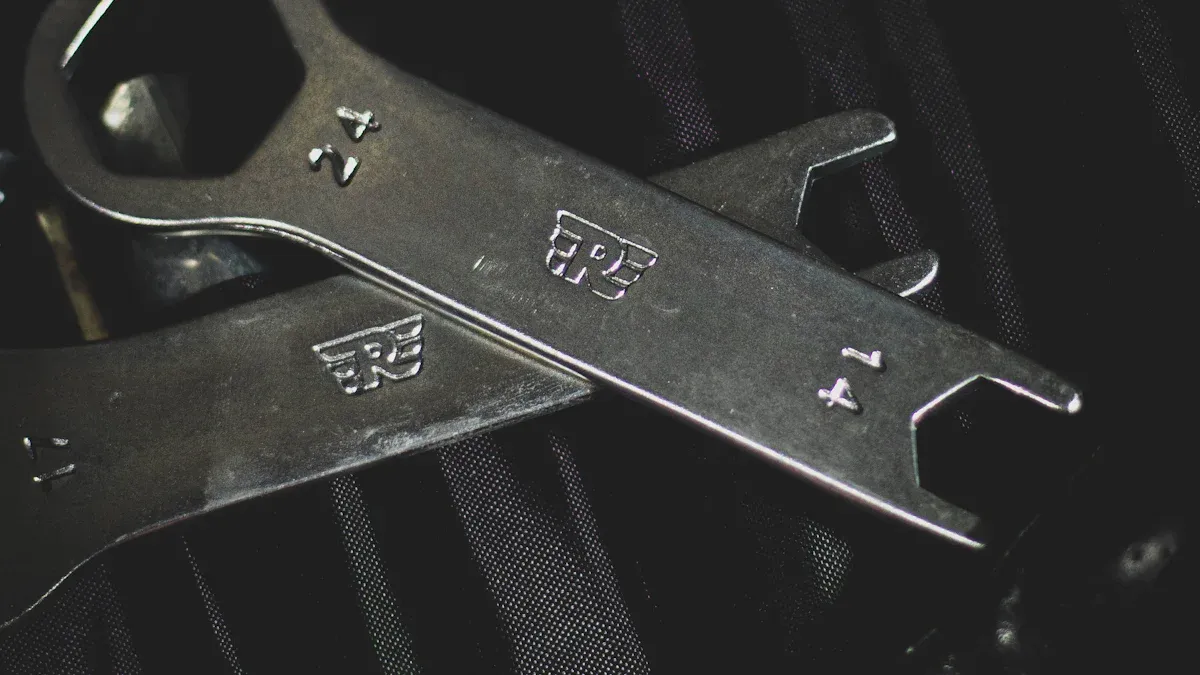
Steel is the material of choice for general-purpose tools like hand tools and wrenches. Its inherent toughness allows these tools to withstand repeated impacts and stresses without breaking. Manufacturers can easily shape and heat-treat steel to achieve the desired hardness for cutting edges or gripping surfaces.
Components Requiring Impact Resistance
Many industrial components require significant impact resistance. Steel's ability to absorb energy and deform before fracturing makes it ideal for these applications. Examples include hammers, chisels, and various machine parts that experience sudden loads or blows.
Automotive and Aerospace Parts
Gears and Shafts
Steel alloys are critical for gears and shafts in automotive and aerospace applications. These components require high strength, fatigue resistance, and the ability to withstand torsional and bending stresses.
| Application | Steel Alloy |
|---|---|
| Gears and gear shafts | 8620 alloy steel |
| Aerospace gear systems (aircraft engines, transmissions) | 9310 alloy steel |
| Rotor shafts and gears (aerospace) | M50 steel |
| Automotive axles, drive shafts, and gears | 4330 steel |
| High-performance automotive gears (racing cars) | 4340 steel |
| Automotive gear shafts, crankshafts, axle components | 34CrNiMo6/1.6582 alloy steel |
| Heavy-duty gears, shafts, and structural components | 34CrNiMo6/1.6582 alloy steel |
These specific alloys provide the necessary properties for reliable performance in demanding environments.
Landing Gear Components
Aircraft landing gear components demand exceptional strength and toughness. They must absorb massive impact forces during takeoff and landing. Steel alloys, specifically high-strength variants, provide the necessary structural integrity and resilience for these critical safety components.
Industrial Components with Moderate Wear Resistance Needs
Many industrial applications require materials that offer a good balance of wear resistance, toughness, and cost. Steel often provides the optimal solution for these moderate wear environments. Its versatility allows engineers to select specific grades that meet operational demands without incurring the higher costs associated with carbide.
Agricultural Equipment
Agricultural machinery operates in demanding conditions. Equipment like plowshares, cultivators, and harvesting components constantly interact with soil, rocks, and plant matter. These interactions cause abrasive wear. However, these components also experience significant impact loads. Steel's inherent toughness allows it to absorb these shocks without fracturing. Farmers often prefer steel parts because they can withstand impacts from hidden rocks or uneven terrain. Furthermore, the cost-effectiveness of steel makes it a practical choice for large-scale agricultural operations. Manufacturers can easily repair or replace steel components, minimizing downtime and maintenance expenses for farmers. Different steel alloys, often heat-treated for increased surface hardness, provide sufficient wear resistance for these applications while retaining the necessary impact strength.
Tip: For agricultural equipment, selecting a steel grade that balances abrasion resistance with high toughness is crucial to prevent brittle failure under impact.
Conveyor Systems
Conveyor systems transport bulk materials such as minerals, aggregates, and grains. These materials cause abrasive wear on components like rollers, chutes, and conveyor belts. While the wear can be continuous, it is often moderate compared to the extreme conditions found in cutting or drilling. Steel's strength and formability make it an excellent choice for the structural elements and moving parts of these systems. Engineers can easily fabricate steel into complex shapes required for conveyor components. Its cost-effectiveness also plays a significant role, as conveyor systems often involve extensive lengths and numerous parts. Specific steel grades, sometimes with surface hardening treatments, provide adequate wear resistance to ensure a long operational life for these systems. This balance of properties makes steel a reliable and economical material for maintaining efficient material handling operations.
- Rollers: Steel rollers withstand continuous friction from belts and transported materials.
- Chutes: Steel chutes guide materials, resisting abrasion from flowing bulk.
- Structural Frames: Steel provides the necessary strength and durability for the entire conveyor structure.
Making the Right Choice for Wear Resistance: Factors to Consider
Selecting the optimal material for a specific application requires careful evaluation of several critical factors. Engineers must understand the environment, the type of wear expected, and the economic implications. This comprehensive approach ensures the chosen material delivers the best performance and value.
Understanding the Wear Mechanism
Different types of wear affect materials in distinct ways. Identifying the predominant wear mechanism is crucial for selecting the most effective material.
Abrasive Wear
Abrasive wear occurs when hard particles or rough surfaces slide against a softer material. This interaction leads to material removal or displacement. Key mechanisms involved include plowing, which causes plastic deformation without material removal, and cutting, which removes material through chip formation. In brittle materials, microfracture can occur due to crack propagation. Repeated loading and unloading during particle interactions can also lead to fatigue wear.
Abrasive wear manifests in various forms. Two-body abrasion involves fixed particles on one surface, while three-body abrasion features loose particles between two surfaces. Engineers also categorize it as open or closed systems based on particle entrapment, and low-stress or high-stress based on the applied load. Quantifying abrasive wear involves several methods. Mass loss measurements offer a straightforward way to determine wear volume. Linear wear depth measurements use tools like profilometry or micrometers to assess dimensional changes. Volumetric wear loss can be calculated from geometric changes or 3D scanning. Archard's wear equation helps determine the wear coefficient, linking wear volume to load and sliding distance. Holm–Archard's Law of adhesion commonly calculates the magnitude of wear, including abrasive contacts. This law establishes a linear relationship between the applied load (P), the bulk hardness of the softer body (H0), the sliding distance (Sr), and the worn volume (V).
Adhesive Wear
Adhesive wear involves the loss or transfer of material from a surface due to mechanical interaction between two contacting surfaces. Adhesion between asperities leads to the formation and detachment of wear debris. This includes phenomena like micro welding, galling, seizing, scuffing, and scoring. Factors influencing adhesive wear include material properties; softer, more ductile materials are more prone. Surface roughness affects the contact area, while higher contact pressure and sliding speed increase wear rates. Lubrication composition and quality are also crucial.
At a microscopic level, high contact pressure causes asperities to momentarily weld due to localized heat and plastic deformation. When surfaces move, these micro-welds break, tearing away tiny particles. This leads to material loss, surface roughening, and debris. Adhesive wear is a major contributor to sliding wear. Galling represents an extreme form of adhesive wear, characterized by severe material transfer, rapid surface roughening, and potential component seizure. This often occurs under high loads and low speeds without proper lubrication.
Mitigating adhesive wear involves several strategies:
- Proper Lubrication: Utilizing appropriate lubricants minimizes direct surface contact, reduces friction, and provides a protective film to inhibit adhesion. Adhesive wear is particularly sensitive to the lubricant system's design and function.
- Surface Finish & Coatings: Improving surface finish through grinding or polishing reduces asperity interactions. However, an overly smooth finish can prevent lubricant retention. Metal coatings like chrome, DLC, and HVOF significantly enhance adhesive performance.
- Material Selection: Choosing materials with high hardness, low ductility, and favorable chemical compatibility reduces the propensity for adhesive wear. Some materials, such as aluminum and certain stainless steels (e.g., austenitic grades), are more susceptible, while others like Nitronic 60 are formulated for excellent wear resistance.
- Material Pairing: Using dissimilar materials, such as stainless steel with a hard ceramic or carbide layer, reduces the likelihood of micro-welding.
- Design Considerations: Designing components for minimal sliding or optimizing load distribution helps reduce high contact pressures that promote micro-welding. This can involve precision surface finishes, tighter tolerances, or redesigning contact interfaces.
- Surface Treatments and Hard Coatings: Applying hard, low-friction, and non-porous coatings acts as a barrier to welding and tearing. These coatings provide high hardness, a smooth finish, chemical inertness, and toughness. Advanced CVD tungsten carbide coatings, for example, form a dense, protective layer.
Erosive Wear
Erosive wear occurs when solid particles or fluid jets impact a surface, causing material removal. The severity of erosive wear depends on several factors. These include the velocity and angle of impact of the particles, their hardness, and the properties of the target material. High-velocity impacts from abrasive particles can quickly degrade surfaces.
Fatigue Wear
Fatigue wear results from repeated stress cycles on a material. This cyclic loading can lead to the initiation and propagation of cracks, eventually causing material detachment. Factors influencing fatigue wear include the magnitude of cyclic stress, the number of cycles, and the material's inherent fatigue strength. Stress concentrations in a component can accelerate fatigue wear.
Environmental Conditions Affecting Wear Resistance
The operating environment significantly influences a material's performance and lifespan. Engineers must consider temperature, corrosive agents, and impact loads.
Temperature Extremes
Extreme temperatures profoundly affect the wear resistance properties of both carbide and steel materials. Carbide materials generally exhibit superior thermal stability.
| Type of Carbide | Heat Resistance (up to) | Wear Resistance |
|---|---|---|
| Tungsten Carbide (WC) | 870°C | Outstanding |
| Titanium Carbide (TiC) | 3000°C | Superior |
| Silicon Carbide (SiC) | 1650°C | Excellent |
| Chromium Carbide (CrC) | 1150°C | N/A |
| Tantalum Carbide (TaC) | 4000°C | N/A |
| Niobium Carbide (NbC) | 3600°C | N/A |
| Zirconium Carbide (ZrC) | 3500°C | N/A |
| Hafnium Carbide (HfC) | 3900°C | N/A |
| Boron Carbide (B4C) | 2450°C | N/A |
| Vanadium Carbide (VC) | 2800°C | N/A |
For tool steels, extreme temperatures significantly affect wear resistance. Above approximately 500°C, the diffusion of alloying elements becomes substantial, leading to the development of carbides. Specifically, the precipitation of fine alloy carbides, starting around 550°C, is responsible for secondary hardening. This process provides high-speed steels with excellent 'red hardness'—the ability to maintain hardness at elevated temperatures. Vanadium carbides, formed as very hard and thermally stable particles, improve resistance to abrasive wear and enhance cutting performance. Cobalt can increase thermal stability up to approximately 650°C and secondary hardness, although it may reduce toughness and wear resistance. The tempering process above 400°C involves the diffusion of alloying elements and the formation of MC and M2C carbides, leading to secondary hardening and increased hardness of the tempered steel.
Corrosive Agents
Exposure to corrosive agents, such as acids, bases, or saltwater, can significantly degrade materials. Steel is generally more susceptible to corrosion than carbide. Corrosion can weaken the material, making it more vulnerable to mechanical wear mechanisms. In some cases, corrosion and wear can act synergistically, accelerating material degradation.
Impact Loads
Components subjected to sudden, high-force impacts require materials with high toughness. Steel excels in these scenarios due to its ability to absorb energy and deform plastically before fracturing. Carbide, while extremely hard, is brittle and can chip or fracture under significant impact loads. Understanding the potential for impact is crucial for material selection.
Cost-Benefit Analysis for Wear Resistance Solutions
Material selection always involves economic considerations. Engineers must balance initial costs with long-term performance and maintenance expenses.
Initial Material Cost vs. Lifespan
Choosing durable materials, even with a higher initial cost, often leads to substantial long-term savings. This approach minimizes maintenance and extends component lifespan. Investing in high-durability materials such as steel or engineered polymers results in significant lifecycle savings by preventing frequent replacements associated with lower-quality alternatives. This enhances project economic viability and sustainability. For example, selecting materials like urethane, despite a higher initial cost, offers significant long-term value. Its superior durability against abrasion, chemicals, and impact extends part lifespan, reducing the need for frequent replacements, cutting maintenance time, and minimizing production disruptions, ultimately leading to substantial cost savings.
Maintenance and Downtime Costs
The true cost of a component extends beyond its purchase price. Frequent maintenance, repairs, and the downtime associated with these activities can significantly impact operational expenses. By extending component lifespan through optimized material selection, companies can achieve substantial savings.
| Cost/Performance Aspect | Savings/Improvement |
|---|---|
| Labor cost reduction (installation & maintenance) | 30–50% |
| Savings per truck bed/bucket (fuel efficiency, reduced maintenance, extended replacement) | $10,000–$50,000+ |
| Wear life improvement (¾" AR500 vs. ¼" on ¼" premium carbide overlay) | Up to 20x |
| Fuel consumption reduction (with lighter overlay plate) | 3–8% |
These savings highlight the economic benefits of investing in materials that offer superior durability and extended service life. Reduced downtime also translates directly into increased productivity and profitability.
Design and Fabrication Constraints for Wear Parts
Material selection for wear-resistant components extends beyond inherent properties. Engineers must also consider the practicalities of manufacturing. Design and fabrication constraints significantly influence the final choice between carbide and steel. These constraints impact production costs, lead times, and the feasibility of complex geometries.
Machining and Forming Capabilities
Carbide's extreme hardness, while beneficial for wear resistance, presents significant challenges during machining and forming. Conventional cutting tools, designed for softer metals, cannot effectively process carbide. Manufacturers must employ specialized techniques.
- Diamond Grinding: Diamond grinding wheels, made from the hardest known material, effectively shape and finish carbide components. This process is slow and requires specialized equipment, increasing production time and cost.
- Electrical Discharge Machining (EDM): EDM uses electrical sparks to erode material from the workpiece. It allows for intricate shapes and fine details in carbide parts. However, EDM is also a time-consuming and expensive process.
- Laser Machining: Lasers can cut and engrave carbide, offering precision for certain applications. This method also adds to the overall manufacturing expense.
These specialized methods limit the complexity of carbide part designs. They also make design modifications more difficult and costly once production begins.
In contrast, steel offers excellent machinability and formability. Manufacturers can easily process steel using a wide range of conventional techniques.
- Turning, Milling, and Drilling: Standard machine tools efficiently cut, shape, and drill steel components. This allows for rapid prototyping and mass production.
- Stamping and Forming: Steel readily undergoes stamping, bending, and deep drawing processes. This enables the creation of complex geometries at a lower cost.
- Casting: Foundries can cast steel into intricate shapes, reducing the need for extensive machining.
Steel's versatility in machining and forming provides greater design flexibility. It also results in lower manufacturing costs and shorter lead times for wear parts.
Joining Methods
The method of joining components significantly impacts the overall design and integrity of wear-resistant assemblies. Carbide and steel present different challenges and opportunities in this regard.
Joining carbide components requires careful consideration due to its brittleness and high melting point. Direct welding is generally not feasible for carbide. The high heat input can cause thermal stresses, leading to cracking.
- Brazing: Brazing is a common method for joining carbide to steel or other metals. It involves melting a filler metal with a lower melting point than the base materials. The filler metal flows into the joint by capillary action. This creates a strong bond. However, differences in thermal expansion coefficients between carbide and steel can induce residual stresses upon cooling. These stresses can lead to joint failure if not managed properly.
- Mechanical Fastening: Designers often use mechanical fasteners, such as bolts or clamps, to secure carbide inserts or wear plates. This method avoids thermal stress but requires careful design to ensure adequate clamping force and prevent movement.
- Adhesive Bonding: Specialized industrial adhesives can bond carbide components. This method offers flexibility but may have limitations in high-temperature or high-stress applications.
Steel, conversely, offers a wide array of reliable and cost-effective joining methods. Its ductility and weldability make it highly adaptable for complex assemblies.
- Welding: Various welding processes, including MIG (Metal Inert Gas), TIG (Tungsten Inert Gas), and arc welding, effectively join steel components. Welding creates strong, monolithic joints. It allows for intricate designs and robust structures.
- Bolting and Riveting: Mechanical fasteners provide secure and often disassemblable joints for steel parts. These methods are straightforward and widely used in many industries.
- Adhesive Bonding: High-strength structural adhesives also bond steel components. This can offer advantages in specific applications, such as reducing stress concentrations or joining dissimilar materials.
The ease and reliability of joining steel contribute to its widespread use in wear applications. It simplifies assembly processes and allows for more robust and integrated designs compared to carbide.
Hybrid Solutions and Surface Treatments for Enhanced Wear Resistance
Hybrid solutions and surface treatments combine the best properties of different materials. They enhance performance beyond what a single material can offer. These methods often apply a hard, wear-resistant layer to a tougher, more ductile substrate.
Carbide Coatings on Steel Substrates
Enhanced Surface Hardness
Applying carbide coatings to steel substrates significantly increases surface hardness. This hard layer protects the underlying steel from abrasive and erosive forces. Manufacturers use various methods to apply these coatings. Chemical Vapor Deposition (CVD) is a common technique. It applies thin layers of refractory metal compounds like TiC, TiN, HfN, or Al2O3 onto surfaces. Specific coating types and their typical thickness ranges include:
- TiC Coated Inserts: 5-7 μm
- TiN Coated Inserts: 8-12 μm
- TiN-TiC Composite Coated Inserts: The first layer on the substrate is TiC, approximately 1 μm thick, followed by a TiN outer layer.
- Metal Ceramic (Al2O3) Coated Inserts and Double-Coated Inserts: Al2O3 is coated onto the carbide substrate, or onto a TiC-coated insert for double-coated versions. These double-coated inserts can process steel and cast iron components.
Retained Core Toughness
The steel substrate beneath the carbide coating retains its inherent toughness. This combination provides a component with a very hard, durable surface and a resilient core. The core can absorb impacts and resist fracture. This hybrid approach is ideal for applications needing both extreme surface hardness and resistance to shock loads.
Hardfacing and Cladding Techniques
Applying Wear-Resistant Layers
Hardfacing and cladding techniques apply thick, wear-resistant layers to component surfaces. These methods use various processes to deposit specialized alloys.
- Plasma hardfacing utilizes a high-energy plasma arc for precise fusion of hardfacing materials.
- Laser hardfacing employs laser technology to create fine, uniform coatings with minimal heat distortion.
- Electrostatic hardfacing uses electrostatic forces for efficient and even distribution of hardfacing materials.
- Automatic overlay hardfacing involves specialized equipment to apply multiple layers of wear-resistant alloys.
- Multi-layer hardfacing builds up thick coatings by applying multiple layers of protection.
- Hardfacing with automatic feed allows for continuous material deposition.
- Hardfacing for precision coating ensures micron-level accuracy.
Other methods include PTA (plasma transfer arc) welding, FCAW (flux-cored arc welding), thermal spray, and traditional weld hardfacing. Lasers, such as diode lasers, also apply these layers.
Extending Component Lifespan
These techniques significantly extend the lifespan of components. They protect parts from abrasion, impact, and corrosion. This reduces maintenance costs and downtime.
Advanced Heat Treatments for Steel to Improve Wear Resistance
Carburizing and Nitriding
Carburizing and nitriding are heat treatments that enhance the surface hardness of steel. Carburizing introduces carbon into the steel's surface, forming a hard case. Nitriding introduces nitrogen, creating a hard nitride layer. These processes dramatically increase surface hardness.
| Treatment | Surface Hardness |
|---|---|
| Carburizing | 58–64 HRC |
| Nitriding | 1000–1200 HV |
Plasma nitriding can achieve a maximum surface hardness of approximately 1100 HV. Carburizing of Fe-Cr-B results in a maximum hardness value of about 800 HV0.05.
Induction Hardening
Induction hardening uses electromagnetic induction to heat a steel surface rapidly. A subsequent quench hardens only the surface layer. This process creates a hard, wear-resistant surface while maintaining a tough, ductile core. It is effective for parts requiring localized hardening.
Carbide generally offers superior performance in abrasive and high-temperature environments. Steel provides a crucial balance of toughness, cost-effectiveness, and versatility for applications needing impact resistance. The optimal choice between these materials for wear resistance depends on specific application requirements, wear mechanisms, and economic factors. Hybrid approaches, which combine the strengths of both carbide and steel, often deliver the most effective and cost-efficient solutions for challenging demands.
FAQ
What is the primary advantage of carbide over steel for wear resistance?
Carbide offers superior hardness. This property makes it highly resistant to abrasive wear. It withstands scratching and erosion from hard particles better than steel.
When should engineers choose carbide for wear resistance applications?
Engineers choose carbide for extreme abrasive environments. It performs well in high-temperature applications and when precision is critical. Examples include cutting tools and mining equipment.
Why might steel be preferred over carbide despite lower wear resistance?
Steel provides high toughness and ductility. It resists impact and shock loads better than brittle carbide. Steel is also more cost-effective and easier to fabricate.
How do cost and machinability compare between carbide and steel?
Carbide has a higher initial cost. Its extreme hardness makes machining difficult, requiring specialized methods. Steel is less expensive and easier to machine, form, and join using conventional techniques.
Can carbide and steel be used together for enhanced wear resistance?
Yes, hybrid solutions exist. Carbide coatings on steel substrates enhance surface hardness. The steel core retains its toughness. This combination offers both wear resistance and impact strength.
How do high temperatures affect carbide and steel wear resistance?
Carbide maintains its hardness and strength at high temperatures. Steel softens and loses strength when exposed to continuous heat. This makes carbide ideal for hot environments.
Which material is better for applications with significant impact?
Steel is better for applications with significant impact. Its high toughness allows it to absorb energy and deform without fracturing. Carbide is brittle and can chip or break under sudden impact.