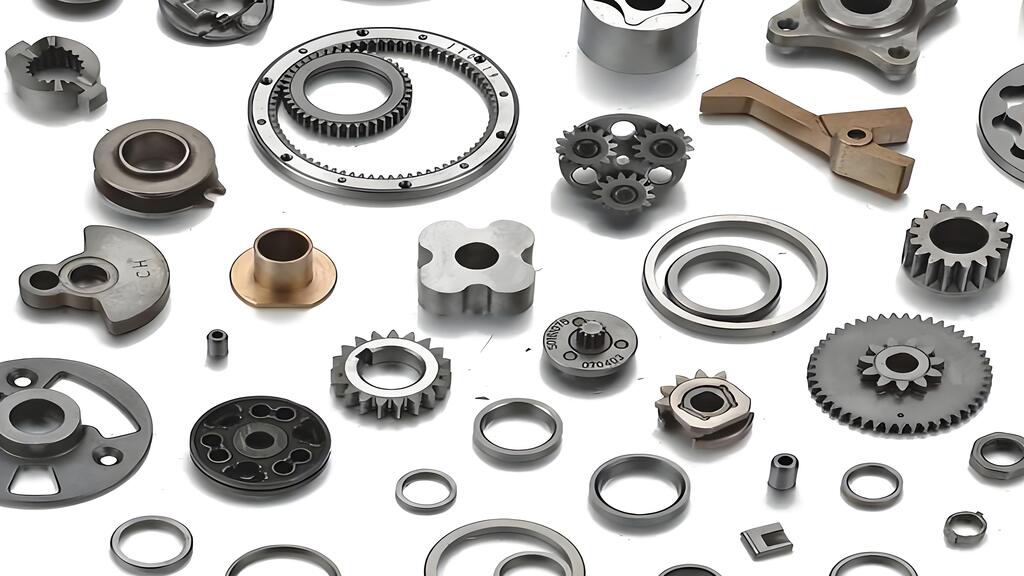


Ceramic part design
1. It is very important to choose the correct ceramic material. The performance of a ceramic part depends on the ceramic material it is made of. For example, it is very important to determine whether the ceramic material used is electromagnetically unstable or has good heat resistance, so as to ensure that the parts have good performance in use. In addition, the impact of the environment also needs to be considered to ensure that the surface of the parts has good wear resistance and corrosion resistance.
2. there are technical limitations that need to be considered when designing Ceramic Parts.For example, in the ceramic Sintering Process, the sintering temperature, sintering time and sintering method need to be considered to ensure that the parts are not cracked or damaged during use. Additionally, quality and cost issues need to be taken into consideration during the sintering process to ensure that the manufactured parts meet customer requirements.
3. there are cost considerations when designing ceramic parts. For example, in the manufacturing process, how to use the least amount of materials without affecting the quality of parts to reduce costs; how to use the least amount of manpower and machines to improve production efficiency and reduce costs; and how to use existing technology and equipment to to reduce costs.
In summary, designing ceramic parts is a complex task that requires a combination of material properties, environment, technical constraints, and cost issues to ensure that the designed part will serve its ultimate purpose. In addition, it is necessary to ensure that the manufactured parts are of high quality, cost-effective and meet all customer requirements. Only in this way can we ensure that the designed ceramic parts can meet customer requirements.

Ceramics, a common material used in a variety of industrial manufacturing, are especially useful when designing precision components. Precision parts usually require precise measurement and high-precision processing, and ceramic products have excellent density and stability, and can meet high-precision requirements in both appearance and use. Therefore, ceramic part design is very important.
First, to design the perfect ceramic part, the first things to consider are performance requirements and dimensional accuracy. Performance requirements can be determined based on ceramic characteristics, including density, strength and elasticity of ceramics, as well as corrosion resistance, thermal stability, etc. Based on this, a perfect design parameter for ceramic parts can be determined. In addition, the dimensional accuracy requirements of the ceramic parts that need to be designed, and the accuracy determination standards will also be affected by the performance requirements. Generally speaking, the higher the accuracy, the better the performance will be.
Second, ceramic part design should take into account the material type and its properties. After correct selection, it can be ensured that the parts have good mechanical properties and meet the performance requirements. Common ceramic materials include ceramic magnets, ceramic powder, ceramic clay, ceramic ceramics, ceramic gel mud, etc. Each has different performance characteristics, and the appropriate material can be selected according to different requirements.
Finally, the firing process of ceramic parts is also important to the design of ceramic parts. The correct firing process can effectively improve the performance of parts and reduce the losses caused by parts during processing. Printing and process design should be carried out before firing, and then the oven should be used for firing control, making full use of heat sources and heat media to ensure that the dimensional accuracy, strength, elasticity and thermal stability of the parts can meet the design requirements.
Therefore, the design of ceramic parts includes important aspects such as determination of performance requirements and dimensional accuracy, material selection and characteristics, and control of the firing process. Correct design can effectively improve the performance and accuracy of ceramic parts, ensure that the parts meet requirements and ensure quality, so that they can maximize their value in industrial applications.