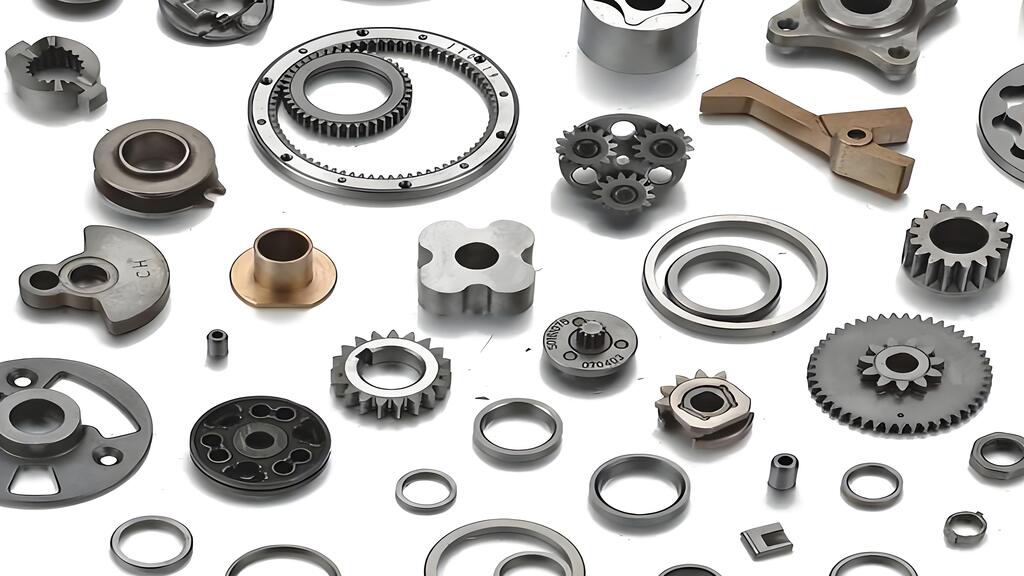


Magnesium Alloy Casting Process: A Complete Guide
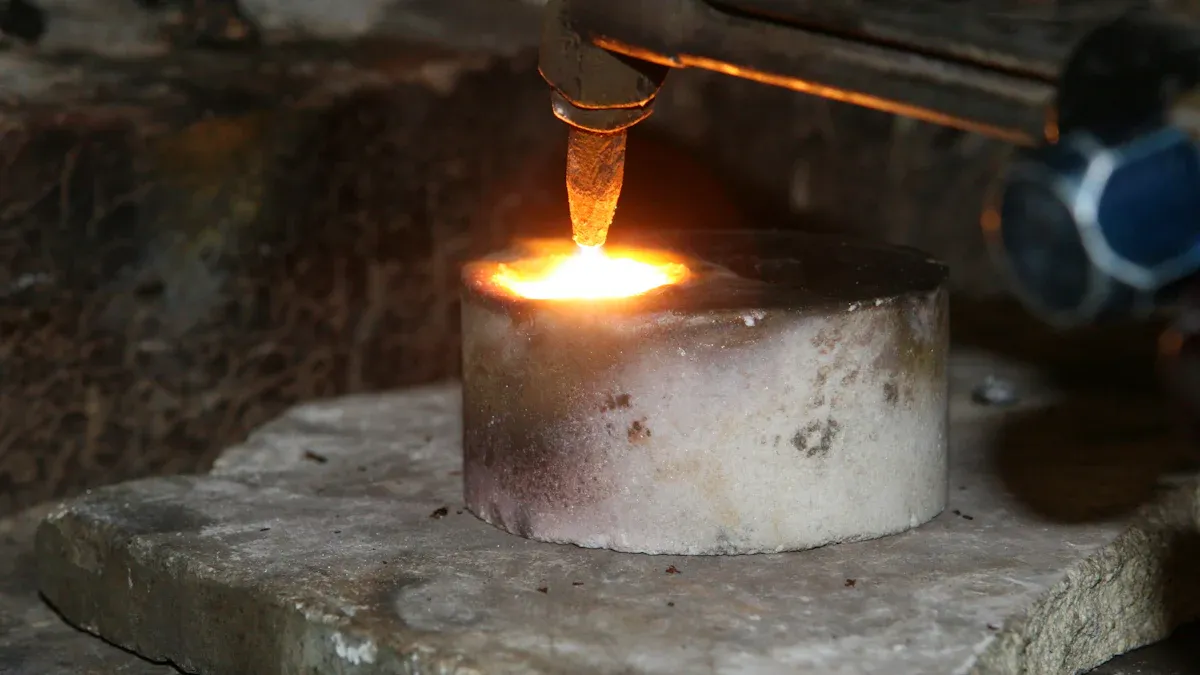
Magnesium alloy casting refers to the process of creating parts and components using magnesium alloys. These alloys are crucial in manufacturing due to their lightweight nature and high strength, making them ideal for various applications. The global market for magnesium alloy casting was valued at USD 4.8 billion in 2023 and is projected to reach USD 7.45 billion by 2031, reflecting a CAGR of 9.3%. Despite being less than 1% of current automotive materials, magnesium alloys offer significant advantages, including reduced weight and improved fuel efficiency.
Key Takeaways
- Magnesium alloys are lightweight and strong, making them ideal for automotive and aerospace applications.
- The global market for magnesium alloy casting is projected to grow significantly, indicating increasing demand for these materials.
- Key mechanical properties of magnesium alloys include high tensile strength and elongation, which enhance their performance in various applications.
- Proper preparation of materials and mold design is crucial for achieving high-quality magnesium alloy castings.
- Cooling rates during the casting process affect the microstructure and mechanical properties of the final product.
- Safety measures are essential when working with magnesium alloys due to their flammability; proper ventilation and protective equiPment are necessary.
- Magnesium alloy casting offers cost-effectiveness through faster production cycles and lower energy requirements compared to other metals.
- Understanding the properties and challenges of magnesium alloys helps manufacturers optimize their use in innovative applications.
Properties of Magnesium Alloys
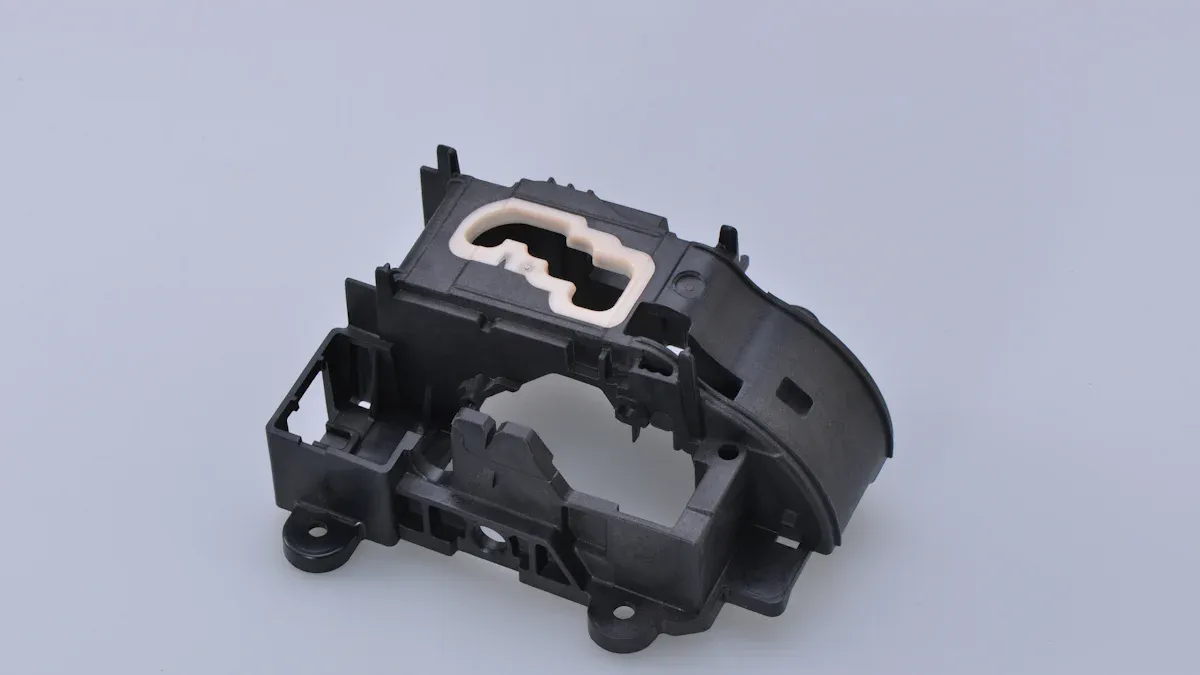
Mechanical Properties
Magnesium alloys exhibit several notable mechanical properties that make them suitable for various applications. These properties include proof stress, tensile strength, elongation, density, and Young's modulus. The following table summarizes the key mechanical properties of magnesium alloys used in casting:
| Property | Value Range |
|---|---|
| Proof Stress | 75–200 MPa |
| Tensile Strength | 135–285 MPa |
| Elongation | 2–10% |
| Density | 1.8 g/cm³ |
| Young's Modulus | 42 GPa |
Magnesium alloys are the lightest structural metals, being approximately 33% lighter than aluminum and 75% lighter than steel. This lightweight nature contributes to an excellent strength-to-weight ratio, making magnesium alloys a preferred choice in industries where weight reduction is critical.
Physical Properties
The physical properties of magnesium alloys also play a significant role in their application. Key characteristics include density and melting point. The following table outlines the density and melting point values for common magnesium alloys:
| Alloy | Density (g/cm³) | Melting Point (°C) |
|---|---|---|
| AZ91 | 1.81 | 470 – 595 |
| AM60 | 1.80 | 540 – 615 |
| AM50 | 1.77 | 540 – 620 |
| AM20 | 1.75 | 545 – 630 |
| AZ80 | 1.81 | 550 – 650 |
| WE54 | 1.74 | 540 – 640 |
| WE43 | 1.74 | 540 – 640 |
| Elektron 21 | N/A | 550 – 640 |
| ZK60A | N/A | 530 – 635 |
These properties highlight the versatility of magnesium alloys in various manufacturing processes. Their relatively low density allows for the production of lightweight components without compromising strength.
Corrosion Resistance
Corrosion resistance is a critical factor in the performance of magnesium alloys. Generally, magnesium alloys are less resistant to corrosion than aluminum alloys, particularly in humid or marine environments. Aluminum's ability to form a protective oxide layer significantly enhances its corrosion resistance. In contrast, magnesium often requires additional treatments to improve durability.
Aluminum-magnesium alloys, however, demonstrate excellent corrosion resistance, especially in seawater or other corrosive environments. The presence of magnesium aids in forming a protective oxide layer on aluminum, further minimizing corrosion risks. This characteristic makes aluminum-magnesium alloys suitable for construction applications where exposure to harsh conditions is common.
Thermal Properties
Thermal properties significantly influence the performance and application of magnesium alloys in casting processes. These properties include thermal conductivity and thermal expansion, which are crucial for ensuring the reliability and efficiency of components made from these materials.
Magnesium alloys generally exhibit low thermal conductivities compared to other metals. However, certain compositions can achieve higher values, making them suitable for electronic applications. For instance, the thermal conductivity of Mg-Cu alloys varies between 113 W·m−1·K−1 at 100 °C and 143 W·m−1·K−1 at 400 °C. Additionally, magnesium alloy containing 36% bismuth shows thermal conductivities of 86 W·m−1·K−1 at 100 °C and 91 W·m−1·K−1 at 400 °C. These variations highlight the importance of alloy composition in determining thermal performance.
The following table summarizes the thermal conductivity and expansion coefficients of a specific magnesium alloy relevant to casting:
| Alloy Composition | Thermal Conductivity (W·m−1·K−1) | Thermal Expansion Coefficient (×10−6 K−1) |
|---|---|---|
| AlNP/Mg-0.5Zn-0.5Cu | 132.7 | 18.5 |
Thermal expansion is another critical property that affects the dimensional stability of magnesium alloy components during temperature fluctuations. The thermal expansion coefficient indicates how much a material expands when heated. For magnesium alloys, this coefficient typically ranges around 18.5 ×10⁻⁶ K−1, which is relatively moderate compared to other metals.
Understanding these thermal properties is essential for engineers and manufacturers. They must consider how temperature changes can affect the performance and longevity of magnesium alloy components. Proper management of thermal properties can lead to improved product reliability and performance in various applications, from automotive to aerospace.
Step-by-Step Guide to Magnesium Alloy Casting Process
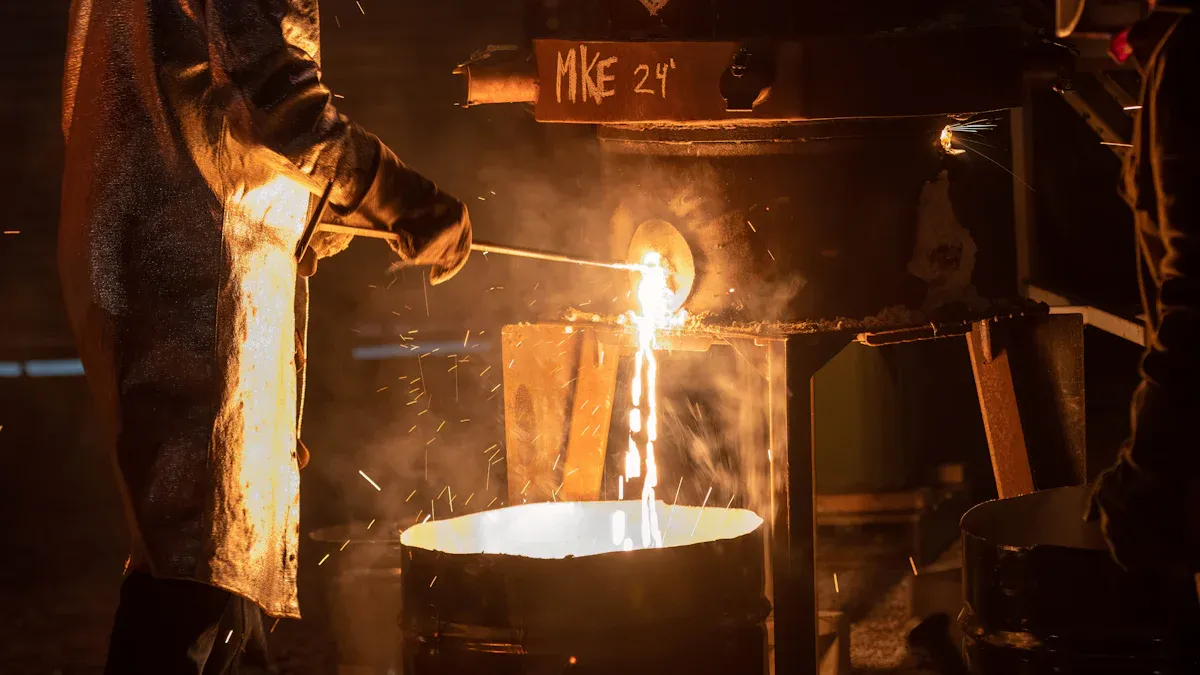
Preparation of Materials
The preparation of materials is a crucial first step in the magnesium alloy casting process. This stage involves selecting high-purity magnesium alloys, which significantly influence the quality of the final product. Manufacturers prefer alloys with a purity level of 99.99% for optimal performance. Commercial-purity alloys typically range between 99.5% and 99.7%. Reducing impurity contents enhances the mechanical properties and corrosion resistance of the castings.
Before casting, it is essential to preheat reinforcement particles. Heating these particles to temperatures between 300°C and 500°C removes moisture and improves wettability. This step ensures better integration of reinforcements into the molten alloy, leading to enhanced mechanical properties in the final product.
Mold Design and Creation
Mold design and creation play a vital role in the magnesium alloy casting process. The choice of mold material directly affects the lifespan and quality of the castings. Common mold materials include H13 and Maraging steel, which can withstand high temperatures and provide durability. The lifespan of molds made from these materials typically ranges from 100,000 to 300,000 cycles, making them suitable for high-volume production.
Designing the mold requires careful consideration of the part geometry and the flow of molten magnesium. Engineers must ensure that the mold allows for proper filling and minimizes the risk of defects. The mold should also accommodate thermal expansion, as magnesium alloys expand when heated.
Melting the Alloy
Melting the magnesium alloy is a critical step that requires precise temperature control. The optimal melting temperature for magnesium alloys typically ranges from 660°C to 700°C. At these temperatures, the alloys achieve significant improvements in mechanical properties. For instance, at 685°C, the alloys can reach optimal mechanical properties, including a tensile strength of 263 MPa and an elongation of 225%.
During the melting process, manufacturers must maintain a protective atmosphere to prevent oxidation. This can be achieved by using inert gases or fluxes. Mechanical stirring is often initiated to create a vortex, ensuring uniform incorporation of any reinforcements added to the melt. Following this, manufacturers may choose to use degassing agents to enhance melt quality further.
The following table summarizes the effects of different melting temperatures on the mechanical properties of magnesium alloys:
| Temperature Range (°C) | Effect on Mechanical Properties |
|---|---|
| 660 - 685 | Tensile strength and elongation increase |
| 685 | Optimal mechanical properties (263 MPa tensile strength, 225% elongation) |
| 680 - 700 | Significant increase in impact toughness and hardness |
| > 700 | Decrease in hardness and potential defects in castings |
By adhering to these guidelines, manufacturers can ensure that the magnesium alloy casting process yields high-quality components suitable for various applications.
Pouring the Alloy
Pouring the alloy is a critical step in the magnesium alloy casting process. This stage requires precision to ensure the quality of the final product. Manufacturers must consider several factors to minimize defects during pouring. Here are some recommended techniques:
- Alloy Composition Optimization: Adjusting the alloy composition, such as adding aluminum or rare-earth elements, can reduce shrinkage by improving solidification behavior.
- Mold Design and Material: Proper mold design with risers and selecting appropriate mold materials can help manage the cooling rate and feeding of molten metal.
- Casting Process Control: Maintaining optimal pouring temperature and speed is crucial to ensure even filling and minimize defects.
- Heat Treatment: Applying heat treatment post-casting can relieve internal stresses and improve mechanical properties, reducing shrinkage-related defects.
- Quality Control and Monitoring: Implementing rigorous quality control measures throughout the casting process helps identify and mitigate potential defects.
By adhering to these techniques, manufacturers can enhance the integrity of the castings and ensure that the magnesium alloy casting process yields high-quality components.
Cooling and Solidification
Cooling and solidification significantly influence the microstructure and mechanical properties of magnesium alloy castings. The cooling rate plays a crucial role, particularly for alloys like AZ80. Increased cooling rates lead to finer dendritic structures and smaller interdendritic regions. This refinement effectively reduces pore coalescence, enhancing mechanical properties. Conversely, lower cooling rates result in coarser grain structures, which are less effective at preventing pore coalescence. Therefore, degassing becomes a beneficial process for improving mechanical properties, especially regarding fatigue resistance.
Manufacturers often utilize controlled cooling methods to achieve the desired cooling rates. Techniques such as forced air cooling or water quenching can be employed to optimize the cooling process. The goal is to achieve a uniform solidification pattern, which contributes to the overall strength and durability of the final product.
Finishing Processes
Finishing processes are essential for improving the surface quality of magnesium alloy castings. Various methods exist, each with its advantages and challenges. The following table summarizes some effective finishing processes:
| Finishing Process | Description |
|---|---|
| Magnetic Abrasive Finishing (MAF) | An ultra-precise surface processing technology that improves surface quality with minimal temperature rise and high adaptability. |
| Benefits of MAF | Facilitates automation, reduces tool compensation needs, and is effective for various metal and non-metal materials. |
| Challenges with Traditional Methods | Traditional polishing methods are difficult due to magnesium's flammability and fragility, necessitating alternative approaches. |
| Preparation of Magnetic Abrasive Powders | Novel methods like combining plasma molten metal and sprayed abrasive powder enhance performance and efficiency. |
These finishing processes not only enhance the aesthetic appeal of the castings but also improve their functional performance. Manufacturers must choose the appropriate finishing method based on the specific requirements of the application.
Types of Magnesium Alloy Casting Methods
Magnesium alloy casting encompasses several methods, each with unique advantages and applications. Understanding these methods helps manufacturers choose the best approach for their specific needs.
Die Casting
Die castingis a highly efficient method for producing magnesium alloy components. This process involves injecting molten metal into a mold under high pressure. The benefits of Die Casting include:
- High Precision: Die casting achieves tolerances as tight as 0.1 mm, making it ideal for applications requiring exact dimensions.
- Excellent Surface Finish: The high-pressure injection results in a superior surface finish, reducing the need for additional finishing processes.
- Rapid Production Rates: Die casting allows for shorter cycle times, making it suitable for high-volume production.
However, die casting does come with higher tooling costs compared to other methods. It is best suited for simpler shapes due to the limitations of mold design.
| Feature | Die Casting |
|---|---|
| Precision | High precision, tight tolerances |
| Surface Finish | Excellent surface finish |
| Production Speed | High production rates, shorter cycles |
| Tooling Costs | Higher tooling costs |
| Complexity of Shapes | Limited to simpler shapes |
Sand Casting
Sand casting is another prevalent method for magnesium alloy casting. This technique involves creating a mold from sand, which is then filled with molten metal. Key characteristics of sand casting include:
- Lower Tooling Costs: Sand casting requires less expensive molds, making it a cost-effective option for low-volume production.
- Flexibility in Shape: This method can produce larger and more complex shapes than die casting, accommodating a wider range of applications.
Typical applications for sand casting include aerospace engine components, where alloys like EZ33A are used for their lightweight and strength properties. The temperature limitations for these alloys can reach up to 205°C.
| Alloy Type | Typical Applications | Temperature Limitations |
|---|---|---|
| EZ33A | Aerospace engine components | Up to 205°C |
| ZE41A | Moderate temperature applications | Up to 160°C |
| ZK51A, ZK61A | High mechanical properties but nonweldable | N/A |
| ZH62A, HZ32 | Superior mechanical properties at elevated temperatures | N/A |
Investment Casting
Investment casting, also known as lost-wax casting, offers exceptional dimensional accuracy for magnesium alloy components. This method involves creating a precise pattern, often using advanced techniques like 3D printing. The advantages of investment casting include:
- Tight Tolerances: This process achieves tolerances as precise as 0.005 inches, significantly surpassing those of sand mold castings.
- High Surface Finish: Investment casting provides a superior surface finish, essential for components requiring precise dimensions.
The meticulous control throughout the investment casting process ensures that manufacturers can produce high-quality components consistently.
Permanent Mold Casting
Permanent mold casting is a widely used method for producing magnesium alloy components. This technique involves using reusable molds, typically made from metal, to create high-quality castings. The process offers several advantages, particularly for high-volume production runs.
One of the primary benefits of permanent mold casting is its ability to achieve superior dimensional accuracy. The molds allow for precise control over the dimensions of the final product, ensuring that parts fit together correctly. Additionally, this method produces high-quality as-cast surface finishes, which reduces the need for extensive post-processing.
The following table summarizes the key advantages of permanent mold casting:
| Advantage | Description |
|---|---|
| Reusable mold | Permanent molds can be reused, reducing costs over time. |
| Good surface finish | Produces high-quality surface finishes compared to sand casting. |
| Better dimensional accuracy | Achieves superior dimensional tolerance, ensuring parts fit together correctly. |
| Ability to produce complex shapes | Can create intricate designs that may be difficult with other methods. |
| Improved mechanical properties | Results in stronger castings with better performance characteristics. |
| Competitive pricing | Cost-effective for high-volume production runs. |
| Finer grain structure | Produces a finer grain structure, enhancing the material properties. |
| Increased repeatability | Ensures consistent quality across multiple production runs. |
| High volume production runs | Well-suited for large-scale manufacturing needs. |
| Precise control over dimensions | Allows for accurate control over the dimensions of the final product. |
| Improved detail and definition | Enhances the definition and detail in the final parts. |
| Thinner wall thicknesses | Capable of designing parts with thinner walls, reducing material usage. |
The ability to cast intricate designs is another significant advantage of this method. Permanent molds can accommodate complex shapes that may be challenging to achieve with other casting techniques. This capability opens up new possibilities for product design and innovation.
Moreover, permanent mold casting results in improved mechanical properties due to enhanced cooling rates. The metal solidifies more quickly in a metal mold than in sand molds, leading to a finer grain structure and reduced porosity. These characteristics contribute to the overall strength and durability of the cast components.
Applications of Magnesium Alloy Casting
Magnesium alloy casting finds extensive applications across various industries due to its unique properties. The automotive, aerospace, and electronics sectors particularly benefit from the lightweight and high-strength characteristics of magnesium alloys.
Automotive Industry
In the automotive industry, magnesium alloy casting plays a pivotal role in enhancing vehicle performance and efficiency. Manufacturers utilize magnesium alloys to produce several critical components that contribute to weight reduction and improved fuel economy. The following table outlines some of the top automotive components manufactured using magnesium alloy casting:
| Automotive Component | Description |
|---|---|
| Engine Housings | Used in the powertrain for weight reduction. |
| Transmission Cases | Provides structural integrity and lightweight design. |
| Battery Enclosures | Essential for electric vehicles, enhancing efficiency. |
| Suspension Components | Improves vehicle dynamics and reduces weight. |
| Clutch Covers | Contributes to overall vehicle performance. |
| Steering Wheels | Enhances driver control while minimizing weight. |
| Roof Frames | Supports vehicle structure while reducing mass. |
| Dashboard Frames | Allows for complex designs with reduced weight. |
By integrating magnesium alloys into these components, manufacturers achieve significant weight savings, which directly translates to better fuel efficiency and lower emissions. The automotive industry continues to explore new applications for magnesium alloys, driven by the demand for lighter and more efficient vehicles.
Aerospace Industry
The aerospace industry has long recognized the advantages of magnesium alloy casting for weight reduction in aircraft structures. Magnesium alloys offer impressive strength-to-weight ratios, making them invaluable for enhancing the performance of aerospace components. Key contributions of magnesium alloys in this sector include:
- Magnesium has been a structural part of the aerospace industry since the early to mid-20th century, contributing to weight reduction and efficiency.
- High-performance aerospace magnesium alloys reduce weight in fuselage structures, interior appliances, and aero engine frames, maximizing fuel efficiency.
- The increasing performance of magnesium alloys drives their wider use in aerospace applications, particularly for weight reduction.
These characteristics enable aerospace manufacturers to create lighter aircraft, which leads to lower fuel consumption and increased payload capacity. As the industry continues to innovate, magnesium alloys will likely play an even more significant role in future aircraft designs.
Electronics Industry
In the electronics industry, magnesium alloy casting is essential for producing lightweight and durable enclosures for various devices. Manufacturers favor magnesium alloys for their excellent thermal conductivity and electromagnetic interference (EMI) shielding characteristics. Common electronic devices that utilize magnesium alloy castings for their enclosures include:
- Laptop casings
- Mobile phones
- Cameras
The benefits of using magnesium alloys in electronics extend beyond weight reduction. These materials also provide good mechanical properties and electrical characteristics, making them ideal for protecting sensitive components. The combination of low weight and robust performance ensures that electronic devices remain portable without sacrificing durability.
As technology advances, the demand for magnesium alloy castings in the electronics sector is expected to grow, driven by the need for lighter and more efficient devices.
Medical Devices
Magnesium alloy casting plays a significant role in the medical devices sector. Manufacturers increasingly recognize the unique properties of magnesium alloys, which make them suitable for various applications in this field. The following benefits highlight why magnesium alloys are becoming a preferred choice for medical device manufacturing:
- Biocompatibility: Magnesium alloys are biocompatible, meaning they can be safely absorbed by the body without causing adverse effects. This property is crucial for implants and devices that remain in contact with biological tissues.
- Tensile Strength: These alloys exhibit tensile strength comparable to natural bone. This characteristic makes them suitable for load-bearing applications, such as orthopedic implants and surgical tools.
- Tailored Degradation Properties: The degradation properties of magnesium alloys can be tailored to match the healing process of the body. This feature eliminates the need for secondary surgeries to remove implants, reducing patient recovery time and healthcare costs.
The integration of magnesium alloy casting in medical devices leads to innovative solutions that enhance patient outcomes. For instance, orthopedic screws and plates made from magnesium alloys provide structural support while gradually degrading as the bone heals. This approach minimizes complications associated with permanent implants.
Furthermore, the lightweight nature of magnesium alloys contributes to the overall comfort and usability of medical devices. Surgeons and healthcare professionals benefit from the reduced weight of tools and implants, allowing for easier handling during procedures.
Advantages of Magnesium Alloy Casting
Lightweight Nature
Magnesium alloys stand out as the lightest structural materials available in the manufacturing sector. Their low density significantly reduces the weight of components compared to traditional materials like aluminum and steel. For instance, manufacturers can design lighter wheels without sacrificing strength. This reduction in structural weight is crucial in industries such as automotive and aerospace. By using magnesium alloys, companies can enhance transportation efficiency and lower fuel costs. The lightweight nature of these alloys directly impacts overall production costs, making them an attractive option for manufacturers aiming to optimize their operations.
High Strength-to-Weight Ratio
The strength-to-weight ratio of magnesium alloys is notably higher than that of aluminum and steel. This characteristic allows manufacturers to create components that are both strong and lightweight. The following table illustrates the strength-to-weight ratios of these materials:
| Material | Strength-to-Weight Ratio | Stiffness Comparison |
|---|---|---|
| Magnesium | Higher than Aluminum | 70% more rigid than steel when depth is doubled |
| Aluminum | Lower than Magnesium | Requires 75% of magnesium's weight for equal rigidity |
| Steel | Baseline | 100% stiffness at equal thickness |
This table highlights that magnesium alloys provide superior performance in applications where weight reduction is essential. Their ability to maintain structural integrity while being lighter than alternatives makes them ideal for various applications, from automotive parts to aerospace components.
Excellent Machinability
Magnesium alloys offer excellent machinability, allowing for quicker cutting speeds and reduced power consumption during production. This efficiency leads to shorter production cycles and lower machining costs. Manufacturers benefit from less tool wear, which further enhances the cost-effectiveness of using magnesium alloys.
However, machining magnesium alloys does present challenges due to their flammability and corrosiveness. These properties make traditional cutting methods less suitable. As the demand for complex structures in consumer electronics increases, the limitations of Die-Casting methods become apparent. Manufacturers must adapt their processes to meet these challenges while still capitalizing on the advantages of magnesium alloys.
Cost-Effectiveness
Magnesium alloy casting offers significant cost-effectiveness compared to other metal casting processes. Although the initial investment for magnesium alloys may be higher, the long-term savings often outweigh these upfront costs. Several factors contribute to the overall cost efficiency of magnesium alloy casting:
- Faster Casting Cycles: Magnesium alloys allow for quicker production times. The reduced cycle time leads to increased output, which can significantly lower manufacturing costs.
- Lower Working Temperatures: Casting magnesium requires lower temperatures than aluminum or steel. This reduction in temperature not only saves energy but also extends the lifespan of the die used in the casting process.
- Durable Machining Tools: Magnesium alloys result in longer-lasting machining tools. The combination of lower cutting forces and faster machining speeds enhances productivity, further driving down costs.
These factors collectively contribute to the cost-effectiveness of magnesium alloy casting. Manufacturers can achieve substantial savings over time, making magnesium alloys an attractive option for various applications.
Tip: When considering the total cost of ownership, it is essential to factor in both initial costs and long-term savings. Magnesium alloys often provide a better return on investment due to their efficiency and durability.
In addition to direct cost savings, magnesium alloys offer advantages in design flexibility. Their lightweight nature allows engineers to create intricate designs that may not be feasible with heavier materials. This flexibility can lead to innovative products that meet market demands while keeping production costs in check.
The following table summarizes the key cost-related benefits of magnesium alloy casting:
| Benefit | Description |
|---|---|
| Initial Cost | Higher than some alternatives, but justified by savings. |
| Production Efficiency | Faster casting cycles reduce overall manufacturing time. |
| Tool Longevity | Lower working temperatures extend die life. |
| Machining Efficiency | Quicker speeds and longer tool life enhance productivity. |
Overall, magnesium alloy casting stands out as a cost-effective solution for manufacturers. The combination of reduced production times, lower energy requirements, and enhanced tool longevity makes it a smart choice for industries seeking to optimize their operations. As companies continue to prioritize efficiency and sustainability, magnesium alloys will likely play an increasingly vital role in the manufacturing landscape.
Challenges in Magnesium Alloy Casting
Flammability Concerns
Flammability poses a significant challenge in magnesium alloy casting. Magnesium ignites easily, especially when exposed to high temperatures or fine particles. This risk necessitates stringent safety measures to protect workers and facilities. The following table outlines recommended safety measures to mitigate flammability risks:
| Safety Measure | Description |
|---|---|
| Ventilation | Ensure the melting area is well-ventilated to remove combustible gases and reduce explosive risks. |
| Fire-suppression systems | Use dry powder extinguishers designed for magnesium fires; avoid water and consider sand for smothering fires. |
| Personal Protective Equipment (PPE) | Wear heat-resistant gloves, flame-resistant clothing, safety goggles, and respirators to protect against burns and harmful fumes. |
| Proper storage | Store magnesium alloys in a dry, well-ventilated area, away from flammable materials and sources of ignition. |
| Mold preparation | Keep molds clean and dry to prevent reactions with molten magnesium; use suitable refractory coatings. |
Implementing these measures can significantly reduce the risk of fire incidents during the casting process. Manufacturers must prioritize safety training and awareness to ensure that all personnel understand the hazards associated with magnesium alloys.
Shrinkage and Porosity
Shrinkage and porosity are common issues in magnesium alloy casting that can compromise the integrity of the final product. As molten magnesium cools, it tends to shrink, which can lead to voids or cavities within the casting. These defects can weaken the material and affect its performance in applications.
To minimize shrinkage and porosity, manufacturers can adopt several strategies:
- Optimize mold design: Incorporate risers and feeders to ensure adequate metal supply during solidification.
- Control cooling rates: Implement controlled cooling methods to achieve uniform solidification and reduce the likelihood of defects.
- Use degassing techniques: Employ degassing agents to remove dissolved gases from the molten metal, which can contribute to porosity.
By addressing these challenges, manufacturers can enhance the quality and reliability of magnesium alloy castings, ensuring they meet industry standards.
Tooling and Equipment Costs
The costs associated with tooling and equipment for magnesium alloy casting can be substantial. Initial investments in machinery and molds often deter some manufacturers from adopting this process. The following points highlight typical costs involved in magnesium alloy casting facilities:
- Die-casting machines can range from $30,000 to over $1,000,000 based on specifications and features.
- Prices for die casting machines vary significantly based on type, technology level, brand, and features.
- Machines in the 500T-1000T range are priced from approximately $66,000 to $486,000.
- A new 2000-ton machine typically costs well into the hundreds of thousands or even millions of dollars.
Additionally, the cost of producing magnesium alloys is generally higher than that for other lightweight metals due to refining processes. These factors can impact the overall feasibility of magnesium alloy casting for some manufacturers. However, the long-term benefits of using magnesium alloys, such as weight reduction and improved performance, often justify the initial investment.
Alloy Composition Variability
Alloy composition variability significantly impacts the properties and performance of magnesium alloys in casting processes. Different alloying elements can alter mechanical, physical, and thermal characteristics. Understanding these variations is crucial for manufacturers aiming to optimize their products.
Key Alloying Elements
Manufacturers often use several key alloying elements to enhance magnesium alloys. These elements include:
- Aluminum (Al): Improves strength and corrosion resistance.
- Zinc (Zn): Enhances strength and ductility.
- Manganese (Mn): Increases resistance to corrosion and improves weldability.
- Rare Earth Elements (REE): Enhance high-temperature performance and overall strength.
Each element contributes unique properties, allowing manufacturers to tailor alloys for specific applications.
Effects of Composition Variability
Variability in alloy composition can lead to significant differences in the final product. The following table summarizes how changes in alloying elements affect key properties:
| Alloying Element | Effect on Properties |
|---|---|
| Aluminum | Increases tensile strength and reduces weight |
| Zinc | Enhances ductility and improves castability |
| Manganese | Improves corrosion resistance and weldability |
| Rare Earth Elements | Boosts high-temperature performance and strength |
For instance, increasing aluminum content can enhance the strength-to-weight ratio, making the alloy suitable for aerospace applications. Conversely, excessive zinc may lead to brittleness, which manufacturers must avoid.
Challenges in Maintaining Consistency
Maintaining consistent alloy composition poses challenges for manufacturers. Variability can arise from several factors:
- Raw Material Quality: Inconsistent quality of raw materials can lead to variations in alloy composition.
- Production Processes: Variations in melting and casting processes can affect the final composition.
- Environmental Factors: Changes in temperature and humidity during production can influence alloy properties.
To mitigate these challenges, manufacturers should implement strict quality control measures. Regular testing of raw materials and finished products can help ensure consistency in alloy composition.
Tip: Manufacturers should consider using advanced analytical techniques, such as spectroscopy, to monitor alloy composition throughout the production process. This proactive approach can help maintain the desired properties of magnesium alloys.
Comparison of Magnesium Alloy Casting with Other Materials
Magnesium vs. Aluminum
Magnesium and aluminum are both lightweight metals, but magnesium offers several advantages over aluminum in specific applications. Here are some key comparisons:
- Weight: Magnesium is approximately 33% lighter than aluminum. This property makes magnesium alloys ideal for applications where weight reduction is critical, such as in the automotive and aerospace industries.
- Strength: Magnesium alloys typically exhibit a higher strength-to-weight ratio than aluminum alloys. This characteristic allows manufacturers to create stronger components without increasing weight.
- Machinability: Magnesium alloys often provide better machinability than aluminum. This advantage leads to reduced tool wear and lower production costs.
| Property | Magnesium | Aluminum |
|---|---|---|
| Density | 1.74 g/cm³ | 2.70 g/cm³ |
| Strength-to-Weight Ratio | Higher than Aluminum | Lower than Magnesium |
| Machinability | Excellent | Good |
Magnesium vs. Steel
When comparing magnesium to steel, several factors come into play. While steel is known for its strength, magnesium offers unique benefits:
- Weight: Magnesium is significantly lighter than steel, making it a preferred choice for applications requiring weight savings. This difference can lead to improved fuel efficiency in vehicles.
- Corrosion Resistance: Magnesium alloys generally have lower corrosion resistance than steel. However, with proper surface treatments, magnesium can perform well in corrosive environments.
- Cost: Magnesium alloys can be more expensive than steel. However, the overall cost may be offset by the benefits of reduced weight and improved performance.
| Property | Magnesium | Steel |
|---|---|---|
| Density | 1.74 g/cm³ | 7.85 g/cm³ |
| Corrosion Resistance | Lower (requires treatment) | Higher (naturally resistant) |
| Cost | Higher initial cost | Generally lower cost |
Magnesium vs. Titanium
Titanium is another lightweight metal, but it differs significantly from magnesium in various aspects:
- Strength: Titanium alloys exhibit superior strength compared to magnesium alloys. This property makes titanium suitable for high-stress applications, such as aerospace components.
- Weight: While titanium is lighter than steel, it is heavier than magnesium. Magnesium remains the better choice for applications where minimizing weight is crucial.
- Cost: Titanium is generally more expensive than both magnesium and aluminum. The high cost limits its use to specialized applications where performance justifies the expense.
| Property | Magnesium | Titanium |
|---|---|---|
| Density | 1.74 g/cm³ | 4.51 g/cm³ |
| Strength | Lower than Titanium | Higher than Magnesium |
| Cost | Moderate | High |
The magnesium alloy casting process offers manufacturers a reliable method for producing lightweight and strong components. This process provides numerous advantages, including excellent machinability, high strength-to-weight ratios, and cost-effectiveness. Industries such as automotive, aerospace, and electronics benefit significantly from these properties.
Looking ahead, the demand for magnesium alloy casting is expected to grow as manufacturers seek innovative solutions for weight reduction and performance enhancement in their products.
FAQ
What are magnesium alloys?
Magnesium alloys are metal mixtures that primarily consist of magnesium and other elements. These alloys enhance properties like strength, corrosion resistance, and machinability, making them suitable for various applications.
Why are magnesium alloys preferred in the automotive industry?
Manufacturers prefer magnesium alloys in the automotive industry due to their lightweight nature. This property leads to improved fuel efficiency and reduced emissions, contributing to more sustainable vehicle designs.
How does the casting process affect the properties of magnesium alloys?
The casting process significantly influences the mechanical properties of magnesium alloys. Factors like cooling rates and mold design can enhance strength, reduce porosity, and improve overall performance.
What safety measures should be taken when working with magnesium alloys?
Safety measures include ensuring proper ventilation, using fire-suppression systems, and wearing appropriate personal protective equipment (PPE). These precautions help mitigate flammability risks associated with magnesium.
Can magnesium alloys be recycled?
Yes, magnesium alloys are recyclable. Recycling processes can recover magnesium from scrap materials, reducing waste and conserving resources. This practice supports sustainability in manufacturing.
What are the common applications of magnesium alloy castings?
Common applications include automotive components, aerospace structures, electronics enclosures, and medical devices. These industries benefit from the lightweight and high-strength characteristics of magnesium alloys.
How do magnesium alloys compare to aluminum alloys?
Magnesium alloys are lighter and often stronger than aluminum alloys. However, aluminum alloys typically offer better corrosion resistance. The choice depends on specific application requirements.
What challenges exist in magnesium alloy casting?
Challenges include flammability concerns, shrinkage, porosity, and variability in alloy composition. Manufacturers must address these issues to ensure high-quality castings and optimal performance.