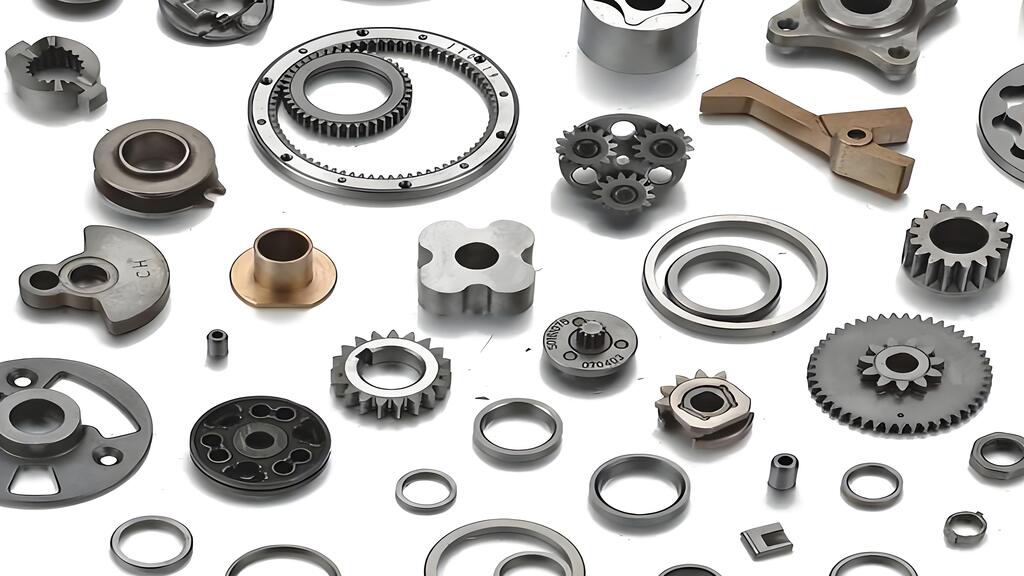


Powder Injection Molding for Complex Micro-Parts: Scaling from Prototype to Mass Production
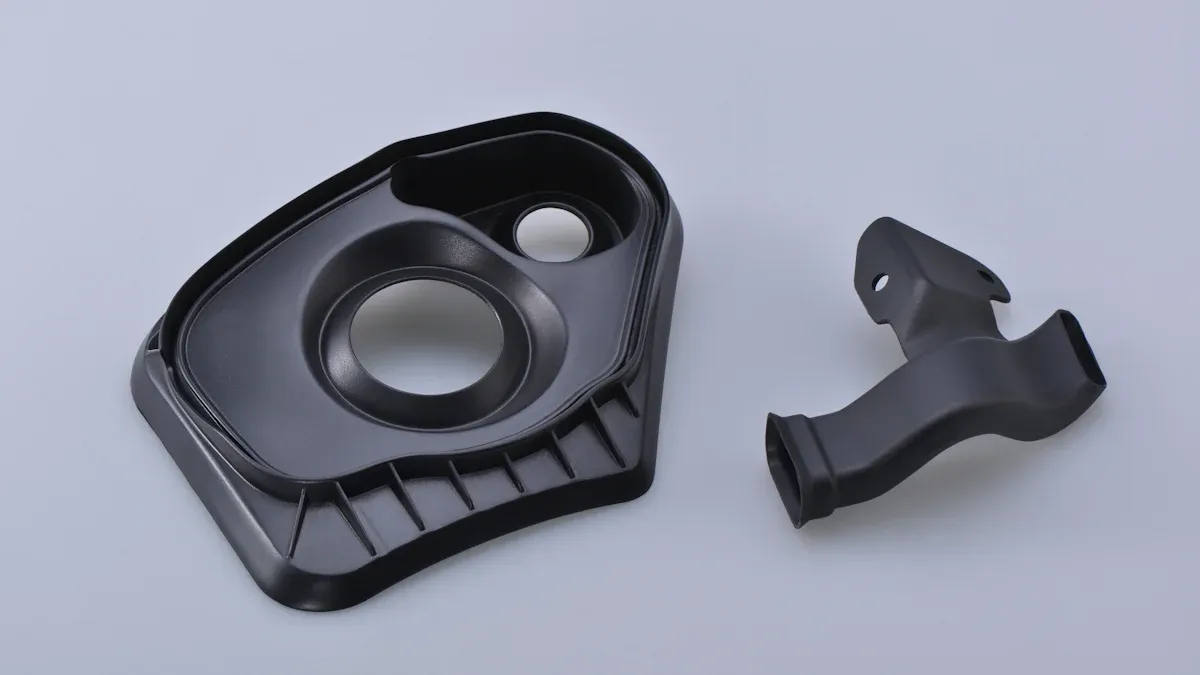
Powder injection molding plays a crucial role in producing complex micro-parts. This method allows manufacturers to achieve high precision, enabling intricate designs that traditional methods often struggle to replicate. Transitioning from prototype to mass production is essential for meeting market demands efficiently.
The benefits of powder injection molding for micro-parts include:
- High Precision: Exceptional dimensional accuracy and intricate details.
- Cost Efficiency: Reduced material waste and economical for large quantities.
- Material Versatility: Supports various metal powders with excellent properties.
- Complex Geometry: Enables intricate designs without secondary machining.
These advantages position powder injection molding as a preferred choice in modern manufacturing.
Key Takeaways
- Powder injection molding (PIM) allows for high precision in creating complex micro-parts, making it ideal for modern manufacturing.
- This method is cost-effective, reducing material waste and lowering production costs for large quantities.
- PIM supports various materials, including metals and ceramics, enhancing the performance of micro-parts.
- The process involves key steps: feedstock preparation, injection molding, debinding, and Sintering, ensuring quality and accuracy.
- Micro-manufacturing requires unique design considerations, such as gate location and handling protocols, to maintain part integrity.
- Automation and advanced technologies improve consistency and quality in PIM, reducing errors and enhancing production efficiency.
- Transitioning from prototypes to mass production involves collaboration between design and production teams to address challenges.
- Future trends in PIM include advancements in material science and a focus on sustainability, promising growth in the industry.
Understanding Powder Injection Molding
Definition and Process
Powder Injection Molding (PIM) combines the principles of plastic injection molding and Powder Metallurgy. This process allows manufacturers to create complex micro-parts with high precision. The key steps involved in the powder injection molding process for micro-parts include:
| Step | Description |
|---|---|
| Feedstock | Preparation of a mixture of powder and binder for injection molding. |
| Injection | The feedstock is injected into a mold to form the desired shape. |
| Debinding | Removal of the binder from the molded part to prepare for sintering. |
| Sintering | The part is heated to a temperature that allows the powder particles to fuse. |
This systematic approach ensures that the final product meets stringent specifications and quality standards.
Key Materials Used
In powder injection molding, the choice of materials significantly impacts the performance and characteristics of the final product. Metal Injection Molding (MIM) primarily utilizes powdered metals and ceramics, known for their strength and ability to form complex geometries. Common materials in MIM include:
- Stainless steels, which are widely used in powder metallurgy due to their excellent mechanical properties.
- Other alloys and ceramics that provide specific attributes such as corrosion resistance and thermal stability.
These materials enable manufacturers to produce micro-parts that can withstand demanding applications across various industries.
Applications in Micro-Manufacturing
The versatility of powder injection molding makes it suitable for a wide range of applications in micro-manufacturing. Industries such as automotive, medical, and electronics benefit from this technology. For instance, in the medical field, PIM produces intricate components for surgical instruments and implants. In electronics, it enables the creation of small, precise parts for devices like smartphones and wearables.
The ability to manufacture complex geometries without the need for extensive secondary machining further enhances the appeal of powder injection molding. As a result, manufacturers can achieve higher efficiency and lower production costs while maintaining quality.
Differences Between Macro and Micro-Manufacturing
Scale and Precision
The scale and precision of micro-manufacturing significantly differ from those in macro-manufacturing. Micro-manufacturing often involves features measured in microns, with typical sizes ranging from 10 to 100 microns. In contrast, macro-manufacturing typically handles larger dimensions, often in centimeters or meters.
- Micro-manufacturing can achieve tolerances as tight as ±2–5 micrometers.
- In micro CNC machining, tolerances can reach ±0.001 mm, which is much tighter than the ±0.025 mm standard for conventional CNC machining.
- The ability to create feature sizes of less than 100 micrometers is crucial in industries like medical and aerospace, where precision is vital.
This advanced precision capability allows manufacturers to produce components that meet stringent quality and accuracy requirements.
Design Considerations
Designing micro-parts using powder injection molding requires addressing unique considerations. The choice of feedstocks is critical, as they must be tailored for specific properties such as biocompatibility or conductivity. Additionally, precise molding procedures are essential, involving high-pressure injection and careful cooling to maintain quality.
Key design considerations include:
- Gate location and surface finish: These factors are vital for the functionality of the micro-parts.
- Handling protocols: Establishing these protocols ensures the integrity of micro parts during production.
- Solid modeling: This technique aids in computational analysis to ensure that thin walls fill properly with the chosen material.
- Tooling specifications: Tooling must be made to 25% of part tolerance to ensure a good processing window, with tolerances of ±0.01 mm requiring steel tolerances of ±0.003 mm.
These considerations highlight the complexity involved in designing micro-components compared to their macro counterparts.
Production Techniques
Production techniques for micro-parts differ markedly from those used in macro-manufacturing. The following table summarizes these differences:
| Aspect | Macro-Manufacturing | Micro-Manufacturing |
|---|---|---|
| Scale | Centimeters to meters | Sub-millimeter, micrometers, nanometers |
| Tolerances | Tenths of millimeters | Around 0.0005 inches (12.7 microns) |
| Design Constraints | Familiar territory with established methods | Requires new designs considering physical property changes |
| Equipment Needs | Traditional CNC machining | Specialized equipment for micro applications |
| Physical Properties | Less affected by gravity and friction | Significant changes in properties due to scaling down |
These differences underscore the specialized nature of micro-manufacturing, which demands advanced techniques and equipment to achieve the desired outcomes.
Prototyping in Powder Injection Molding
Initial Design and Development
The initial design and development phase is crucial in powder injection molding. This phase involves several key steps that ensure the prototype meets the desired specifications. The typical steps include:
- Design and Design for Manufacturability (DFM) Review: Engineers create a design that aligns with manufacturing capabilities.
- Prototype Tooling Design and Fabrication: Tooling is designed to produce the initial prototypes.
- Feedstock Preparation: The mixture of metal powder and binder is prepared for injection.
- Injection Molding: The feedstock is injected into molds to create the green part.
- Debinding: The binder is removed to form the brown part.
- Sintering: The part undergoes heating to fuse the powder particles.
- Post-Sintering Operations and Quality Control: Final adjustments and inspections ensure quality.
- Iteration and Refinement: Based on testing and evaluation, engineers refine the design.
This structured workflow emphasizes the importance of testing and iterative improvements to optimize prototype development.
Testing and Iteration
Testing and iteration are vital components of the prototyping process. After creating the initial prototypes, manufacturers conduct rigorous testing to evaluate performance. This testing phase often reveals insights into the part's functionality, durability, and overall quality.
Manufacturers typically focus on:
- Mechanical Testing: Assessing strength, flexibility, and resistance to wear.
- Dimensional Analysis: Ensuring that the prototypes meet specified tolerances.
- Functional Testing: Verifying that the part performs as intended in real-world applications.
Feedback from these tests informs necessary design adjustments. Iteration allows for continuous improvement, ensuring that the final product meets both performance and quality standards.
Transitioning to Production-Ready Prototypes
Transitioning from prototypes to production-ready parts presents challenges. Common misconceptions about design limitations can hinder progress. Some believe that powder metallurgy cannot achieve the precision or complexity of traditional methods. Concerns about material performance also arise, as manufacturers question whether powder injection molding components can match the strength and durability of traditionally manufactured parts.
Additionally, higher initial tooling costs may deter investment, especially for low-volume production. Manufacturers often face uncertainty about which components or industries are best suited for powder injection molding. Knowledge gaps in the transition process can further complicate matters, as many lack the expertise to shift confidently from traditional methods to powder injection molding.
Addressing these challenges requires collaboration between design engineers and production teams. By fostering a clear understanding of the capabilities and limitations of powder injection molding, manufacturers can successfully transition to production-ready prototypes.
Technologies in Powder Injection Molding
Resin-Infused Powder Lithography
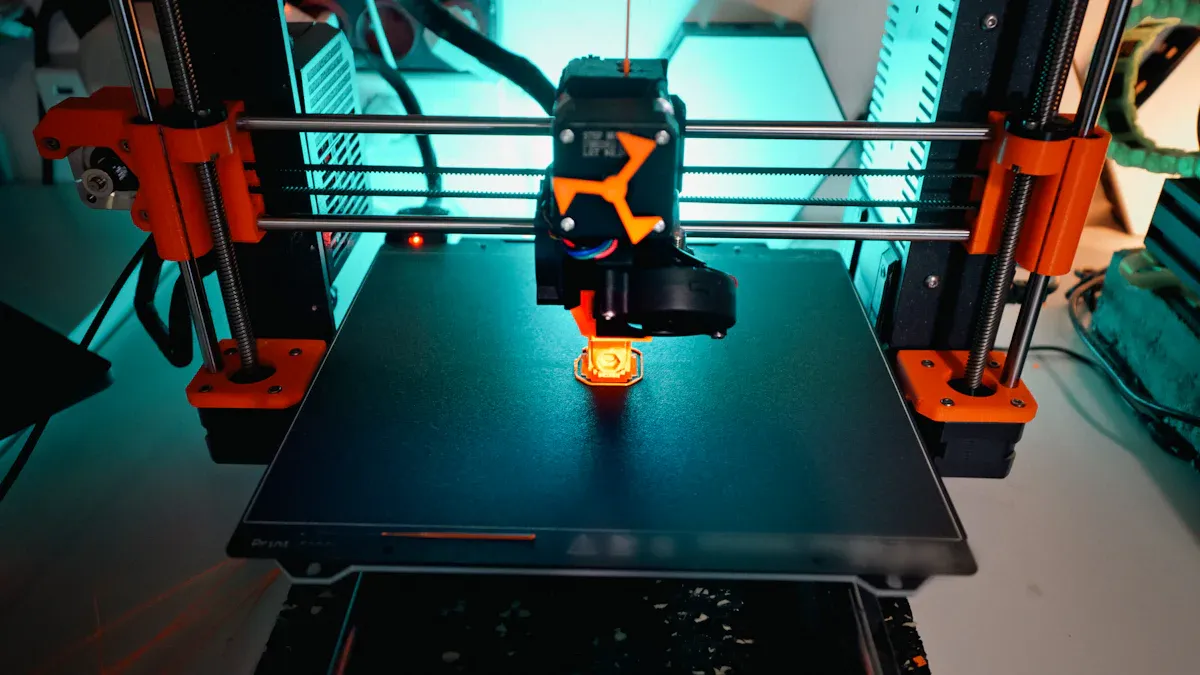
Resin-infused powder lithography (RIPL) represents a significant advancement in the powder injection molding process. This technology streamlines the transition from prototyping to production, accommodating various production volumes. Key benefits of RIPL include:
- Achieving CNC-level precision, which allows for intricate designs.
- Producing parts with surface finishes that often eliminate the need for additional machining.
- Simplifying design modifications, enabling changes directly in the computer model without labor-intensive processes.
- Reducing lead times significantly, allowing for prototypes and finished parts to be produced in weeks rather than months.
These advantages make RIPL an attractive option for manufacturers seeking efficiency and quality in micro-part production.
Advances in Material Science
Recent advances in material science have profoundly impacted powder injection molding for micro-manufacturing. Innovations include:
- Development of next-generation feedstock formulations that utilize eco-friendly binders and engineered powder blends.
- Automation through AI-driven process monitoring, which facilitates real-time quality control and predictive maintenance.
- Integration of smart sensors and IoT connectivity, optimizing energy usage and enhancing material traceability.
- Implementation of closed-loop recycling systems, which help reduce environmental impact.
These advancements not only improve the performance of micro-parts but also contribute to sustainable manufacturing practices.
Automation and Process Control
Automation and process control play crucial roles in enhancing the consistency and quality of powder injection molding. Key aspects include:
- Adjusting the velocity/pressure (V/P) switching time based on clamping force increments, which helps maintain shot-to-shot consistency. This method effectively addresses defects like warpage and dimensional inaccuracies.
- Ensuring consistent material addition, leading to products that match design specifications precisely. Automation significantly reduces error rates, minimizing the need for corrections.
- Maintaining stable mold temperatures, which is essential for producing high-quality parts. Robotics further minimize human error in complex tasks, enhancing product quality and reducing variability.
For instance, companies like the Rodon Group achieve parts within +/- .001 inches of design specifications, demonstrating the high consistency that automation can provide.
These technologies collectively enhance the capabilities of powder injection molding, making it a powerful method for producing complex micro-parts efficiently and sustainably.
Challenges in Scaling Production
Quality Control and Consistency
Scaling production in powder injection molding presents significant challenges, particularly in maintaining quality control and consistency. Micro-scale powder injection molding often encounters issues due to the influence of micro-scale forces. These forces can lead to powder agglomeration and inconsistent flow, complicating the handling and mixing of powders. As a result, manufacturers may face several quality control challenges, including:
- Incomplete filling of the mold cavity
- Variations in part density
- Unpredictable rheological behavior during injection
To address these challenges, manufacturers can implement optimized binder systems to reduce surface tension, utilize anti-static handling techniques to mitigate static electricity, and invest in high-precision injection units to improve feedstock flow.
The following table summarizes common quality control challenges and their impacts on micro-MIM:
| Challenge | Impact on Micro-MIM | Solution |
|---|---|---|
| Surface Tension | Powder agglomeration | Optimized binder systems |
| Static Electricity | Inconsistent powder flow | Anti-static handling |
| Poor Feedstock Flow | Incomplete mold filling | High-precision injection units |
Cost Management
Cost management becomes increasingly complex as manufacturers scale from prototype to mass production. The transition leads to significant cost changes due to economies of scale. While per-part costs decrease at high volumes, manufacturers must consider several factors to manage costs effectively:
- Low per-part costs at high volumes due to the spreading of tooling investment.
- Exceptional consistency in production, ensuring parts fit together perfectly.
- Access to a wide range of production-grade materials, enhancing durability and reducing warranty claims.
However, tooling investments become crucial as production scales up. Manufacturers must optimize processes to enhance efficiency and reduce waste. Additionally, effective demand forecasting is necessary to avoid overproduction or underproduction, which can lead to increased costs and inventory challenges.
Equipment and Technology Upgrades
Upgrading equipment and technology is essential for manufacturers aiming to scale production effectively. As production volumes increase, the need for advanced machinery and automation becomes apparent. Specialized equipment designed for micro-manufacturing can significantly enhance production capabilities.
Investments in automation can lead to improved consistency and quality control. For instance, robotics can minimize human error in complex tasks, ensuring that production remains efficient and reliable. Furthermore, integrating smart sensors and IoT connectivity can optimize energy usage and enhance material traceability.
Advantages of Mass Production with Powder Injection Molding
Efficiency and Speed
Powder injection molding (PIM) significantly enhances production efficiency and speed compared to traditional micro-manufacturing methods. This technique overcomes design limitations that often hinder traditional methods like machining and casting. PIM allows for the production of intricate internal features, which simplifies the manufacturing process.
Key factors contributing to the efficiency of PIM include:
- Part Consolidation: PIM supports the creation of complex geometries without the need for assembly. This capability reduces the number of components required, improving structural integrity and simplifying assembly.
- Material Efficiency: PIM achieves high material efficiency by minimizing scrap through near-net-shape forming. Traditional machining often results in significant waste, whereas PIM optimizes material usage.
- Multi-Cavity Molds: The use of multi-cavity molds enables the simultaneous production of multiple parts. For instance, PIM can produce up to 128 parts in a single cycle, making it ideal for high-volume production needs.
These advantages lead to reduced energy consumption and lower labor costs per part while maintaining consistent quality.
Cost-Effectiveness
Cost-effectiveness is another significant advantage of powder injection molding. When comparing PIM to other mass production techniques for micro-parts, it stands out for its overall economic benefits. The following table summarizes the cost-effectiveness of various techniques:
| Technique | Cost-Effectiveness | Production Efficiency | Mold Costs |
|---|---|---|---|
| Powder Injection Molding (PIM) | High | High | Lower than MIM |
| Tungsten Metal Injection Molding (MIM) | Moderate to High | Very High | Higher due to complexity |
| Powder Compression Molding (PCM) | Moderate | Moderate | Lower due to simplicity |
PIM's high cost-effectiveness stems from several factors:
- Lower Tooling Costs: While initial capital investment may be high, the long-term savings from reduced material waste and efficient production processes offset these costs.
- Consistent Quality: PIM ensures exceptional consistency in production, which minimizes defects and reduces warranty claims.
- Scalability: As production scales up, per-part costs decrease significantly, allowing manufacturers to benefit from economies of scale.
Flexibility in Design
Flexibility in design is a hallmark of powder injection molding. This method allows engineers to explore innovative designs without the constraints typically associated with traditional manufacturing techniques. Key aspects of design flexibility include:
- Complex Geometries: PIM enables the creation of intricate shapes and features that would be challenging or impossible to achieve with conventional methods.
- Rapid Prototyping: The ability to quickly produce prototypes allows for faster design iterations. Engineers can test and refine designs efficiently, leading to improved final products.
- Material Versatility: PIM supports a wide range of materials, including various metal powders and ceramics. This versatility allows manufacturers to tailor parts to specific applications, enhancing performance and functionality.
Overall, the flexibility offered by powder injection molding empowers manufacturers to innovate and adapt to changing market demands.
Comparing Mass Production Methods
Powder Injection Molding vs. Traditional Methods
Powder injection molding (PIM) offers distinct advantages over traditional manufacturing methods, particularly for micro-parts. PIM achieves high production efficiency with consistent quality, making it suitable for mass production. In contrast, traditional methods often struggle with complex geometries, leading to higher waste and lower yield. The following table summarizes the yield and waste characteristics of both methods:
| Manufacturing Method | Yield and Waste Characteristics |
|---|---|
| Powder Injection Molding (PIM) | High production efficiency with consistent quality, suitable for mass production of micro-parts. |
| Traditional Methods | Generally less efficient for complex micro-parts, potentially leading to higher waste due to less precise manufacturing. |
This comparison highlights PIM's effectiveness in producing intricate designs while minimizing material waste.
Hybrid Approaches
Hybrid manufacturing approaches combine the strengths of different techniques to optimize production processes. For instance, integrating powder injection molding with additive manufacturing can enhance design flexibility and reduce lead times. This combination allows manufacturers to create complex parts with intricate internal features while maintaining the efficiency of PIM.
Hybrid methods also enable the use of multiple materials within a single part, enhancing functionality. By leveraging the advantages of both techniques, manufacturers can achieve superior results that meet the demands of modern applications.
Future Trends in Manufacturing
The future of powder injection molding in micro-manufacturing looks promising. Industry analysts project that the powder injection molding market will grow from USD 4.79 billion in 2025 to USD 12.89 billion by 2036, indicating a compound annual growth rate (CAGR) of 9.4%. This growth reflects several emerging trends:
- The rising demand for high-precision components in industries such as automotive, healthcare, and electronics.
- Advancements in metallurgy and tooling technologies that enhance PIM capabilities for micro-manufacturing applications.
- Increased focus on sustainability, leading to the development of eco-friendly materials and processes.
These trends indicate a robust future for powder injection molding, positioning it as a key player in the evolving landscape of manufacturing.
Powder injection molding offers numerous advantages for producing complex micro-parts. Key benefits include high precision, material efficiency, and the ability to create intricate geometries. To successfully scale from prototype to mass production, manufacturers should follow these essential steps:
- Feedstock Preparation: Mix metal or ceramic powders with organic binders.
- Injection Molding: Heat and inject the feedstock into molds under high pressure.
- Debinding: Remove the binder to maintain structural integrity.
- Sintering: Heat the parts to densify them and enhance mechanical properties.
As technology advances, manufacturers should explore further innovations in powder injection molding to stay competitive in the evolving market.
FAQ
What is powder injection molding?
Powder injection molding (PIM) combines powder metallurgy and injection molding to produce complex micro-parts. It allows for high precision and intricate designs, making it suitable for various industries.
What materials are commonly used in PIM?
Common materials in powder injection molding include stainless steels, ceramics, and various metal alloys. These materials provide strength, durability, and the ability to form complex geometries.
How does PIM compare to traditional manufacturing methods?
PIM offers higher efficiency and lower waste compared to traditional methods. It excels in producing intricate designs while maintaining consistent quality, making it ideal for mass production of micro-parts.
What are the main advantages of using PIM?
Key advantages of PIM include high precision, cost-effectiveness, material versatility, and the ability to create complex geometries without extensive secondary machining.
What challenges do manufacturers face when scaling production?
Manufacturers often encounter challenges such as maintaining quality control, managing costs, and upgrading equipment. These factors can complicate the transition from prototype to mass production.
How does prototyping work in PIM?
Prototyping in PIM involves designing, fabricating tooling, and creating initial parts. Testing and iteration follow to refine the design before transitioning to production-ready prototypes.
What industries benefit from powder injection molding?
Industries such as automotive, medical, and electronics benefit significantly from PIM. The technology enables the production of precise components for applications like surgical instruments and electronic devices.
What future trends are expected in powder injection molding?
Future trends include advancements in material science, increased automation, and a focus on sustainability. These developments will enhance PIM's capabilities and expand its applications in various industries.