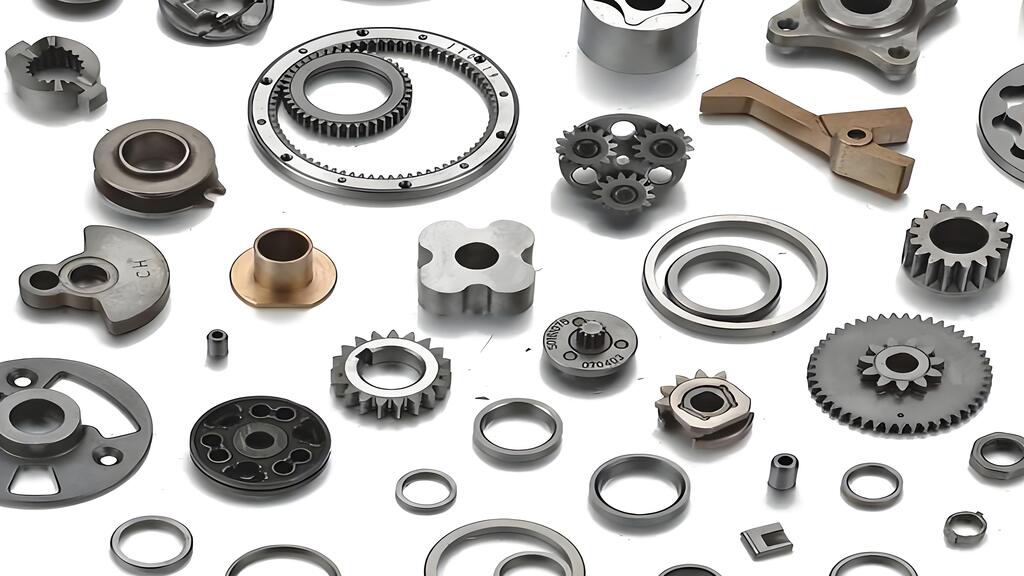


Surface Treatment for Magnesium Alloys

Surface treatment for magnesium alloys involves various processes that enhance their properties. These treatments improve corrosion resistance, wear resistance, and overall durability. Effective surface treatment plays a crucial role in performance enhancement, making magnesium alloys suitable for demanding applications. Industries such as aerospace, automotive, and electronics greatly benefit from these advancements, as they rely on lightweight yet strong materials.
Key Takeaways
- Surface treatment enhances magnesium alloys by improving corrosion resistance, wear resistance, and adhesion.
- Anodizing creates a protective oxide layer, making magnesium alloys more durable and visually appealing.
- Conversion coatings improve adhesion for paints and coatings, ensuring long-lasting protection.
- Electroplating adds a metal layer that enhances corrosion resistance and aesthetic appeal.
- Investing in surface treatments can lead to long-term savings by reducing maintenance costs and extending product lifespan.
- Advanced methods like laser treatment and chemical vapor deposition offer precise and high-quality coatings for magnesium alloys.
- Industries such as aerospace, automotive, and electronics benefit greatly from the enhanced properties of treated magnesium alloys.
- Choosing the right surface treatment method is crucial for maximizing the performance of magnesium alloys in demanding applications.
Understanding Surface Treatment
Definition of Surface Treatment
Surface treatment refers to a variety of processes designed to modify the surface properties of materials, particularly metals like magnesium alloys. These treatments aim to enhance characteristics such as corrosion resistance, wear resistance, and adhesion. By altering the surface, manufacturers can improve the performance and longevity of magnesium alloys in various applications. Common methods include anodizing, conversion coating, electroplating, and thermal spray coating. Each method employs different techniques to achieve specific outcomes, ensuring that the treated surface meets the demands of its intended use.
Importance in Magnesium Alloys
Magnesium alloys are lightweight and possess excellent mechanical properties, making them ideal for industries such as aerospace and automotive. However, their susceptibility to corrosion limits their application. Surface treatment plays a vital role in overcoming this challenge.
-
Corrosion Resistance: Surface treatments significantly enhance the corrosion resistance of magnesium alloys. For instance, anodizing creates a protective oxide layer that shields the underlying metal from environmental factors. Similarly, plasma electrolytic oxidation (PEO) forms a robust oxide layer, making it particularly effective in harsh conditions.
-
Adhesion Improvement: Proper surface pretreatment is crucial for ensuring that coatings adhere effectively to magnesium alloys. Removing corrosion products and contaminants allows for better bonding between the surface and the applied coating. This step is essential for achieving long-lasting protection.
-
Wear Resistance: Surface treatments also improve wear resistance, which is critical in applications where friction and abrasion occur. Techniques like thermal spray coating deposit materials that can withstand significant wear, extending the life of components.
-
Cost-Effectiveness: Investing in surface treatment can lead to long-term savings. By enhancing the durability and performance of magnesium alloys, companies can reduce maintenance costs and extend the lifespan of their products.
Surface Treatment Method: Anodizing

Anodizing Process
Anodizing is an electrochemical process that converts the metal surface into a decorative, durable, corrosion-resistant anodic oxide finish. The process begins with cleaning the magnesium alloy to remove any contaminants. Next, the alloy undergoes anodization in an electrolytic solution, typically sulfuric acid or chromic acid. During this phase, an electric current passes through the solution, causing oxygen to form on the surface of the magnesium. This reaction creates a thick oxide layer that enhances the material's properties.
The anodizing process can vary based on the desired finish and application. Common chemicals used in the anodizing process for magnesium alloys include:
- Chemical Treatment No. 9 (galvanic anodizing)
- Chemical Treatment No. 17
- HAE
- Cr-22
These chemicals help achieve specific characteristics in the anodized layer, such as increased thickness and improved corrosion resistance.
Advantages of Anodizing
Anodizing offers several significant advantages for magnesium alloys:
-
Enhanced Corrosion Resistance: The anodized layer acts as a barrier against environmental factors, significantly reducing the risk of corrosion. This is particularly beneficial in industries where exposure to moisture and chemicals is common.
-
Improved Aesthetic Appeal: Anodizing allows for various color finishes, enhancing the visual appeal of magnesium components. This feature is especially important in consumer-facing products.
-
Increased Surface Hardness: The anodized layer provides a hard surface that improves wear resistance. This characteristic is crucial for applications involving friction and abrasion.
-
Environmentally Friendly: Anodizing is a non-toxic process that does not produce harmful byproducts. This makes it a sustainable choice for manufacturers looking to minimize their environmental impact.
Applications of Anodizing
Anodized magnesium alloys find applications across various industries due to their enhanced properties. Some of the most common sectors utilizing anodized magnesium include:
- Automotive industry
- Aerospace industry
- Medical industry
- Marine industry
- Military industry
- Petrochemical industry
- Construction industry
These industries benefit from the lightweight yet durable nature of anodized magnesium alloys, making them ideal for components that require both strength and reduced weight.
Surface Treatment Method: Conversion Coating
Conversion Coating Process
Conversion coating involves a chemical process that transforms the surface of magnesium alloys into a protective layer. This layer enhances corrosion resistance and improves adhesion for subsequent coatings. The process typically includes the following steps:
-
Surface Preparation: Clean the magnesium alloy to remove contaminants such as oils, dirt, and oxidation products. This step is crucial for achieving optimal adhesion.
-
Chemical Treatment: Immerse the cleaned alloy in a conversion coating solution. Common chemicals used include phosphate-based solutions, which serve as effective alternatives to chromate coatings. These phosphate coatings provide excellent protective capabilities.
-
Rinsing and Drying: After the chemical treatment, rinse the alloy to remove any residual chemicals. Drying follows to ensure that the coating adheres properly.
-
Final Inspection: Inspect the coated surface for uniformity and quality. This step ensures that the conversion coating meets the required specifications.
Advantages of Conversion Coating
Conversion coating offers several benefits for magnesium alloys:
-
Corrosion Resistance: The conversion coating significantly enhances the corrosion resistance of magnesium alloys. Studies show that it can improve the fatigue limit of AZ61 magnesium alloy by approximately 11% in high humidity and 20% in NaCl environments. However, it is important to note that while the coating provides protection, it does not completely prevent corrosion.
-
Improved Fatigue Life: The presence of a conversion coating can reduce the fatigue limit under corrosive environments. For instance, values can drop by 22% under high humidity and 85% under sprayed NaCl. This improvement is critical for components exposed to harsh conditions.
-
Adhesion Enhancement: The conversion coating creates a surface that promotes better adhesion for paints and other coatings. This characteristic is essential for applications requiring additional surface treatments.
-
Environmental Compliance: Many conversion coatings, such as SurTec 650V and Iridite NCP, comply with environmental regulations like REACH and RoHS. These coatings provide excellent corrosion protection while being environmentally friendly.
Applications of Conversion Coating
Conversion-coated magnesium alloys find extensive use across various industries due to their enhanced properties. Key applications include:
-
Automotive Industry: Magnesium alloys are commonly used for components such as door frames, seat frames, steering wheels, and cylinder head covers. The lightweight nature of these alloys contributes to improved fuel efficiency.
-
Aerospace Industry: In aerospace applications, magnesium alloys are utilized for components like seat structures, overhead ducts, and lavatory components. The conversion coating ensures corrosion protection, allowing for the use of lightweight materials in critical applications.
-
Marine Environments: Magnesium alloys serve as sacrificial anodes to protect structures from corrosion in marine settings. Their effectiveness in preventing corrosion extends the lifespan of various infrastructures.
-
Chemical Industries: The coatings are also effective in preventing corrosion in chemical environments, making them suitable for various industrial applications.
By employing conversion coatings, manufacturers can leverage the benefits of magnesium alloys while ensuring durability and performance in demanding environments.
Surface Treatment Method: Electroplating
Electroplating Process
Electroplating involves depositing a layer of metal onto the surface of magnesium alloys through an electrochemical process. This method enhances the alloy's properties, particularly its corrosion resistance and aesthetic appeal. The electroplating process typically follows these steps:
-
Surface Preparation: Clean the magnesium alloy to remove contaminants, such as oils and oxidation. This step is crucial for achieving optimal adhesion of the electroplated layer.
-
Electrolytic Bath: Immerse the prepared alloy in an electrolytic solution containing metal ions. Common metals used for electroplating magnesium alloys include zinc, copper, and nickel. Each metal serves a specific purpose:
Metal Purpose Zinc Acts as a barrier layer Copper Used for the initial strike Nickel Provides additional corrosion resistance -
Electroplating: Apply an electric current to the bath, causing metal ions to migrate and deposit onto the magnesium surface. The thickness and quality of the deposited layer depend on factors such as current density and bath composition.
-
Post-Treatment: After electroplating, rinse the alloy to remove any residual chemicals. A final inspection ensures that the electroplated layer meets quality standards.
Advantages of Electroplating
Electroplating offers several significant benefits for magnesium alloys:
-
Enhanced Corrosion Resistance: The electroplated layer acts as a protective barrier, preventing moisture and corrosive agents from reaching the underlying metal. This feature is particularly valuable in industries where components face harsh environments.
-
Improved Aesthetic Appeal: Electroplating allows for a variety of finishes, enhancing the visual appeal of magnesium components. This aspect is crucial for consumer products where appearance matters.
-
Increased Electrical Conductivity: Research indicates that magnesium alloys, due to their low electrical conductivity, require specific surface pretreatments to facilitate effective electroplating. Techniques such as mechanical polishing and chemical treatments remove oxide layers that hinder conductivity. The addition of Ga3+ to the deposition solution can significantly enhance the electrical conductivity of the electroplated layer, improving overall performance.
Applications of Electroplating
Electroplated magnesium alloys find extensive use across various sectors, including:
- Automotive
- Aerospace
- Medical
- Electronics
- High-speed industrial machinery
Specific applications include:
- Automotive parts, such as gearbox casings
- Medical implants, ensuring biocompatibility and corrosion resistance
- Helicopter rotor blades, benefiting from lightweight yet durable materials
- Power tools, where enhanced wear resistance is critical
By employing electroplating, manufacturers can leverage the advantages of magnesium alloys while ensuring durability and performance in demanding applications.
Surface Treatment Method: Other Techniques
Laser Surface Treatment
Laser surface treatment employs high-energy laser beams to modify the surface properties of magnesium alloys. This technique enhances hardness, wear resistance, and corrosion resistance. The process involves focusing a laser beam onto the alloy's surface, which melts or vaporizes a thin layer of material. As the laser moves, it creates a hardened surface layer through rapid cooling.
The advantages of laser surface treatment include:
- Precision: Lasers allow for precise control over the treatment area, minimizing damage to surrounding material.
- Versatility: This method can treat various shapes and sizes of components, making it suitable for complex geometries.
- Minimal Heat Affected Zone: The rapid heating and cooling reduce the heat-affected zone, preserving the underlying material properties.
Applications of laser surface treatment span multiple industries. In aerospace, it enhances the durability of critical components. In automotive manufacturing, it improves the wear resistance of parts subjected to friction. Additionally, laser treatment can be used in medical devices, where biocompatibility and surface integrity are paramount.
Chemical Vapor Deposition (CVD)
Chemical vapor deposition (CVD) is another advanced surface treatment method that deposits thin films onto magnesium alloys. This process involves introducing gaseous precursors into a reaction chamber, where they decompose and form a solid coating on the substrate. CVD can produce coatings with excellent adhesion, uniformity, and thickness control.
The benefits of CVD include:
- High-Quality Coatings: CVD produces dense and uniform coatings that enhance the alloy's surface properties.
- Wide Range of Materials: This method can deposit various materials, including ceramics and metals, allowing for tailored surface characteristics.
- Temperature Control: CVD processes can operate at different temperatures, accommodating various substrate materials.
CVD finds applications in industries such as electronics, where it is used to create protective coatings for components. In the aerospace sector, CVD enhances the thermal barrier properties of magnesium alloys, improving their performance in high-temperature environments. Furthermore, CVD coatings can improve the corrosion resistance of magnesium components in harsh chemical environments.
By utilizing these advanced surface treatment techniques, manufacturers can significantly enhance the performance and longevity of magnesium alloys in demanding applications.
Summary of Surface Treatment Benefits

Performance Enhancement
Surface treatment significantly enhances the performance of magnesium alloys. Various methods, such as anodizing, conversion coating, and electroplating, improve mechanical properties. For instance, treatments like ultrasonic peening and shot peening can enhance fatigue strength and corrosion resistance. The following table summarizes the effects of different surface treatments on mechanical properties:
| Surface Treatment | Effect on Mechanical Properties | Source |
|---|---|---|
| Ultrasonic Peening | Improved fatigue strength and residual stress distribution | Study |
| Cavitation Peening | Increased microhardness and compressive residual stresses | Study |
| Shot Peening | Enhanced corrosion resistance for AZ31 alloy | Study |
| Ultrasonic Shot Peening | Significant increase in microhardness, improved wear resistance | Study |
| Burnishing | Favorable surface properties for service life | Study |
These enhancements allow magnesium alloys to perform better in demanding applications, making them suitable for industries that require high strength and lightweight materials.
Longevity and Durability
Surface treatments extend the longevity and durability of magnesium alloys. By creating protective barriers against corrosion and wear, these treatments significantly reduce the degradation of the material over time. For example, anodizing and conversion coatings provide robust protection against environmental factors. While magnesium alloys generally have inferior corrosion resistance compared to aluminum alloys, effective surface treatments can mitigate this issue.
- Magnesium alloys often require protective coatings to enhance their corrosion resistance.
- In contrast, aluminum alloys typically do not need extensive surface treatments due to their inherent properties.
By applying surface treatments, manufacturers can ensure that magnesium components maintain their integrity and performance over extended periods, even in harsh conditions.
Cost-Effectiveness
Investing in surface treatment for magnesium alloys proves to be cost-effective in the long run. Enhanced durability leads to reduced maintenance costs and fewer replacements. Companies can save money by minimizing the frequency of repairs and extending the lifespan of their products.
- Surface treatments like electroplating and anodizing significantly improve corrosion resistance, reducing the risk of costly failures.
- In comparison, aluminum alloys often require less treatment, but magnesium alloys can achieve competitive performance with the right surface treatment.
Overall, the initial investment in surface treatment pays off through improved performance and reduced lifecycle costs.
Surface treatment plays a vital role in enhancing the performance of magnesium alloys. Key methods such as anodizing, conversion coating, and electroplating provide significant benefits, including improved corrosion resistance and increased durability.
Looking ahead, several trends are emerging in the magnesium alloy industry:
- Innovations in alloy processing techniques will drive advancements in surface treatment technologies.
- The cavitation-enhanced chemical conversion coating method is gaining traction due to its ability to create robust bonded coatings, extending the lifespan of components.
- Environmental regulations are pushing for cleaner alternatives, influencing the selection of surface treatment methods.
These develoPments promise to enhance product performance across various sectors, including aerospace and electronics.
FAQ
What is the primary purpose of surface treatment for magnesium alloys?
Surface treatment enhances the properties of magnesium alloys, primarily improving corrosion resistance, wear resistance, and adhesion. These enhancements make the alloys suitable for demanding applications in various industries.
How does anodizing improve magnesium alloys?
Anodizing creates a protective oxide layer on magnesium alloys. This layer enhances corrosion resistance, increases surface hardness, and allows for aesthetic finishes, making it ideal for consumer-facing products.
What are the environmental benefits of surface treatments?
Many surface treatments, such as anodizing and conversion coatings, are environmentally friendly. They produce minimal harmful byproducts and comply with regulations like REACH and RoHS, promoting sustainable manufacturing practices.
Can surface treatments affect the weight of magnesium alloys?
Surface treatments typically do not significantly alter the weight of magnesium alloys. However, they can add a thin layer of material, which may slightly increase the overall weight, but this is often negligible.
What industries benefit most from surface treatment of magnesium alloys?
Industries such as aerospace, automotive, electronics, and medical devices benefit significantly from surface treatments. These sectors require lightweight, durable materials that can withstand harsh environments.
How long do surface treatments last on magnesium alloys?
The longevity of surface treatments varies based on the method used and environmental conditions. Properly applied treatments can last several years, significantly extending the lifespan of magnesium components.
Are there any limitations to using magnesium alloys?
Yes, magnesium alloys can be susceptible to corrosion without proper surface treatment. Additionally, they may have lower strength compared to some aluminum alloys, necessitating careful selection for specific applications.
What is the cost-effectiveness of surface treatments?
Investing in surface treatments for magnesium alloys proves cost-effective over time. Enhanced durability reduces maintenance costs and extends product lifespan, leading to significant savings for manufacturers.